Callicladium haldanianum
Callicladium haldanianum
Description
Callicladium haldanianum is a species of pleurocarpous moss belonging to the Pylaisiaceae family. Unlike traditional agricultural crops, this moss is primarily valued in botanical research, ecological restoration projects, and specialized decorative horticulture, such as terrarium design and forest-themed landscaping.
The native range of this moss encompasses temperate regions of North America and East Asia. It is typically found in mature forest ecosystems, where it thrives on substrates such as decaying logs, fallen branches, and moist forest floors. The species is highly adapted to the microclimates of these environments, favoring shaded areas with high humidity and stable thermal conditions.
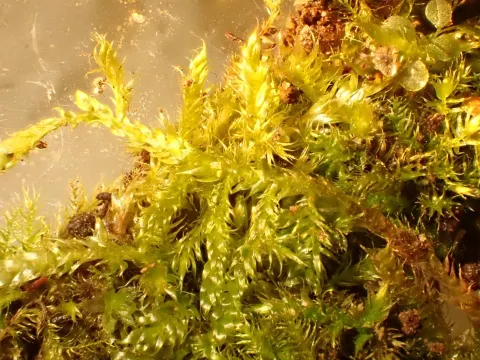
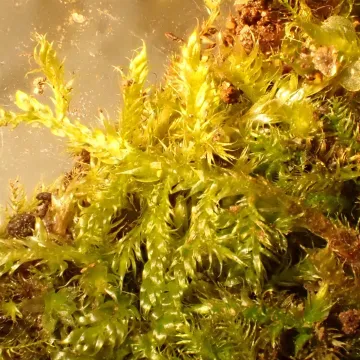
Botanically, Callicladium haldanianum is distinguished by its creeping, branched growth habit, forming dense, deep green mats. Its leaves are ovate-lanceolate and closely pressed to the stem, providing an efficient surface area for moisture absorption from the air. While it reproduces via spores, the species relies heavily on vegetative propagation, spreading through fragments of the stems and branches across the host substrate.
To successfully cultivate this moss, it is essential to replicate its natural environment. It requires a substrate with a slightly acidic pH, such as decomposed wood or specialized peat moss mixes. Consistent hydration is critical, and the species is best grown in environments where humidity can be kept above 70%, such as covered glass containers or shaded, misted garden installations.
The primary economic use of this moss lies in the niche market of vivarium and terrarium hobbyists, as well as ecological monitoring. Because it is sensitive to environmental degradation, it serves as a bioindicator for forest health.
- Excellent moisture retention properties.
- High shade tolerance for low-light environments.
- Simple vegetative propagation methods.
- Minimal nutritional requirements.
The main threats to this moss include fungal pathogens, particularly in stagnant, non-ventilated environments, which can lead to rapid decay of the mat. Additionally, the accumulation of minerals from hard water can damage the moss tissues. Growers should use filtered or rainwater for maintenance and ensure adequate airflow to prevent the development of mold or necrotic patches within the colony.
Photo gallery