Poppy mallow
Callirhoe alcaeoides
Description
Poppy mallow (Callirhoe alcaeoides) is a perennial herbaceous plant belonging to the Malvaceae family. Unlike many other members of this family, this plant is specifically adapted to the harsh conditions of the North American prairies, utilizing a deep taproot to secure moisture and nutrients in nutrient-poor, dry soil.
Originating from the central United States, this plant is native to dry grasslands and rocky outcrops. Because of its native environment, it has developed extreme tolerance to heat and drought. Today, it is recognized for its utility in xeriscaping and as a beneficial plant for native pollinators, attracting a wide variety of bees and butterflies.
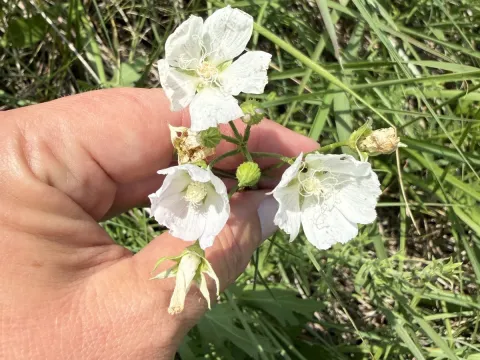
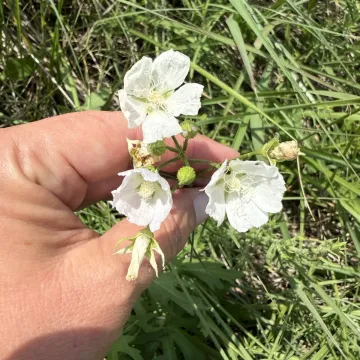
Botanically, it is distinguished by its palmately divided leaves and delicate, cup-shaped white to pale pink flowers. The plant exhibits a prostrate or ascending growth habit, forming a dense mound. It blooms from late spring through mid-summer, providing a continuous display of flowers that are sensitive to daylight length.
Regarding cultivation requirements, the poppy mallow demands full sun exposure and well-drained soils, preferably sandy or rocky. It is highly intolerant of waterlogged conditions, which can lead to rapid root rot. Once established, it requires very little maintenance, including no supplementary fertilization, making it an excellent candidate for low-input landscapes.
- Exceptional drought resistance.
- Supports local pollinator biodiversity.
- Requires minimal pruning and soil management.
The primary use of this crop is in ornamental landscaping and the restoration of native prairie habitats. It is relatively resistant to major pests, although it may be susceptible to fungal infections like powdery mildew if air circulation is poor. Keeping the plant in an open, breezy location effectively mitigates most disease risks.
Photo gallery