White cypress pine
Callitris glaucophylla
Description
White cypress pine (Callitris glaucophylla) is a prominent evergreen conifer belonging to the Cupressaceae family. Native to Australia, it is one of the most widespread and ecologically significant tree species across the continent, known for its distinct glaucous foliage and remarkable survival capabilities.
This species is native to the vast inland regions of Australia, where it thrives in semi-arid and arid environments. Its natural habitat includes open woodlands and savannahs. Due to its evolutionary adaptation to harsh Australian conditions, the tree exhibits superior resilience to extreme temperatures and prolonged drought cycles.
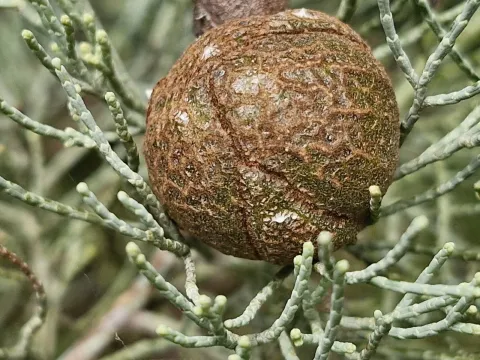
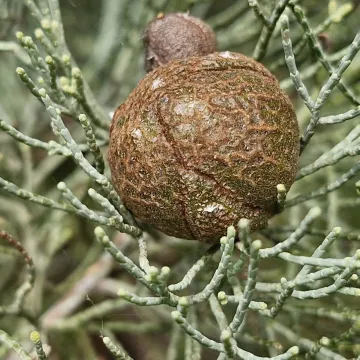
Botanically, the white cypress pine is characterized by its small, scale-like leaves that are arranged in whorls, giving the branchlets a slender appearance. The tree produces woody, globular cones that protect its seeds until favorable conditions for germination occur. Mature trees typically reach heights of up to 25 meters, often featuring a conical canopy in younger stages that rounds out as the tree ages.
In terms of cultivation, the tree requires well-drained soil and prefers sandy or loam textures. It is highly sensitive to waterlogged conditions, which can lead to root pathogens. Agrotechnical management involves careful site selection and, in plantation settings, proper spacing to ensure adequate light exposure, as this species is not shade-tolerant during its early growth phases.
The timber of Callitris glaucophylla is highly valued for its natural chemical defenses. It contains resins that make the wood highly resistant to termite attacks and fungal decay, making it a preferred material for outdoor construction, flooring, and fine joinery. Key pests include borer beetles, while management focuses on maintaining tree health to prevent infestations in drought-stressed stands.
Photo gallery