Caltha sagittata
Caltha sagittata
Description
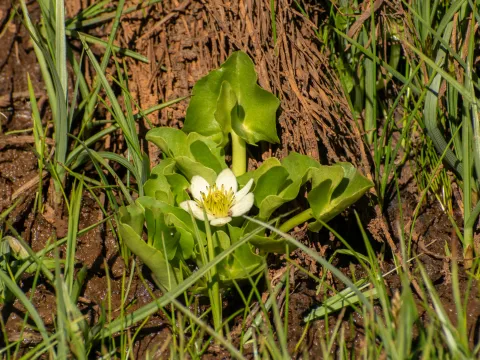
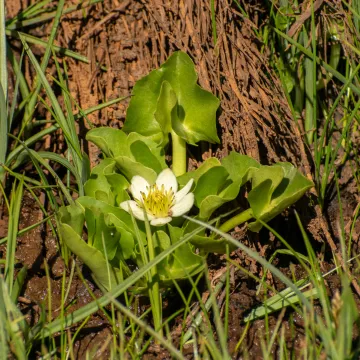
Caltha sagittata is a perennial herbaceous plant belonging to the Ranunculaceae family. It is a distinctive aquatic or semi-aquatic species, recognized by its arrow-shaped leaves and bright yellow flowers, which set it apart from the more common marsh marigold varieties found in European meadows.
Native to the cooler, mountainous regions of South America, specifically Chile and Argentina, this plant has evolved to thrive in high-moisture environments. Its natural habitat includes wetlands, riverbanks, and alpine marshes, where it survives in cold, nutrient-rich soils and withstands significant temperature fluctuations throughout the growing season.
Botanically, the plant is characterized by a sturdy root system and a rosette of leathery leaves. The flowers appear in the spring and serve as an important nectar source for pollinators. The growth habit is clumping, with the plant spreading gradually over time through the expansion of its rhizomes, which are well-adapted to anaerobic soil conditions common in waterlogged areas.
Cultivation requirements for Caltha sagittata emphasize the importance of water management. The soil must remain consistently saturated; the plant performs exceptionally well in shallow standing water or in heavy, damp soils enriched with organic compost. It prefers cool to moderate temperatures and can struggle in regions experiencing intense, prolonged summer heatwaves.
Regarding its utility, the species is highly valued in horticulture for its reliability in water gardens and ecological pond management. It acts as a natural water filter by absorbing nutrients and provides excellent ground cover that helps stabilize banks against erosion. It is generally resistant to pests due to its naturally occurring chemical defenses, making it a low-maintenance choice for professional landscaping.
- Requires consistently wet or flooded soil conditions.
- Thrives in full sun to partial shade environments.
- Minimal fertilization needed if organic content in soil is sufficient.
Photo gallery