Carolina allspice purple
Calycanthus floridus L. var. purpureus Boom
Description
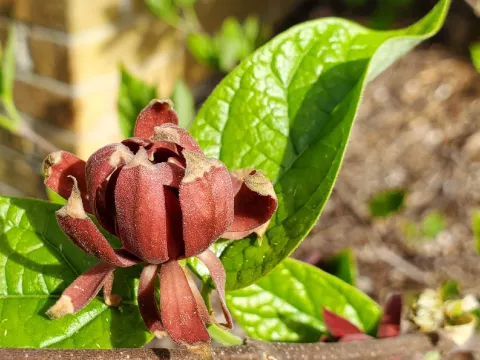
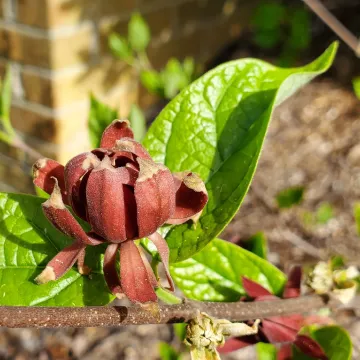
Carolina allspice purple (Calycanthus floridus var. purpureus) is a unique and highly ornamental variety of the Calycanthaceae family. Known for its distinctively purple-tinted foliage and exceptionally aromatic, cup-shaped flowers, this shrub serves as an outstanding specimen plant for collectors of rare and fragrant garden vegetation.
Native to the southeastern United States, this shrub has adapted well to various temperate climates. Its historical and natural range primarily includes deciduous forests where it thrives in moist, humus-rich soil under partial canopy shade, which has defined its current horticultural requirements for domestic garden use.
Botanically, this variety features a compact, multi-stemmed habit. Its leaves are broader and often darker than the standard species, providing an excellent background for its deep, wine-red blossoms. A key characteristic is the scent of the entire plant; the bark, leaves, and flowers contain essential oils that release a spicy, strawberry-like fragrance when crushed or warmed by the sun.
Agricultural success depends on providing a rich, well-draining soil that maintains consistent moisture without becoming waterlogged. The shrub prefers a location with morning sun and afternoon shade to prevent leaf scorch. Regular pruning is recommended to maintain shape, specifically after the flowering period ends, to encourage vigorous growth for the following season.
- Requires protection from harsh winter winds in colder regions.
- Thrives in slightly acidic to neutral soil conditions.
- Mulching is essential to keep the root system cool and moist.
- Can be propagated through softwood cuttings or layering.
While the plant is generally robust, it is occasionally susceptible to leaf spot diseases if air circulation is poor or if the foliage remains wet for extended periods. Pests such as aphids or spider mites may appear during dry spells, but they are easily managed with standard horticultural oils. Its primary use remains in ornamental landscaping, particularly in scented gardens and shrub borders.
Photo gallery