Calycoseris wrightii
Calycoseris wrightii
Description
Calycoseris wrightii is an annual herbaceous plant belonging to the Asteraceae family. As an agricultural and botanical subject, it is recognized for its remarkable evolutionary adaptations that allow it to thrive in the harsh, arid environments of North American deserts.
The native range of this plant extends across the southwestern United States and northwestern Mexico. It is specifically adapted to desert floor conditions, where it often appears as a spring ephemeral, completing its growth cycle before the onset of the most severe summer heat.
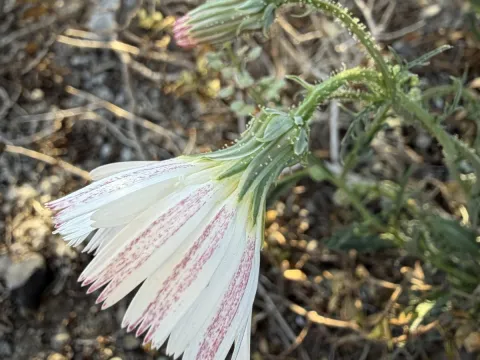
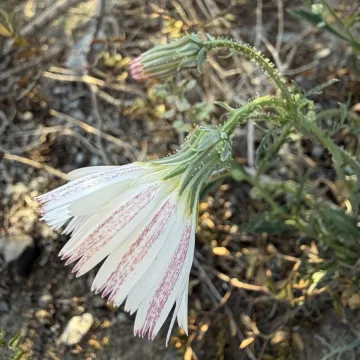
Botanically, it is characterized by a basal rosette of leaves and distinctive flower heads. A key feature is its glandular pubescence, which acts as a barrier against extreme solar radiation and helps the plant maintain internal moisture levels during dry periods.
Regarding cultivation, the plant requires well-drained, sandy, or rocky soils with minimal organic enrichment. Excessive moisture is a primary stress factor for this species; therefore, field management must focus on preventing waterlogging, which often leads to rapid decay and pathogen susceptibility.
Its economic use is currently limited to research, desert ecosystem restoration, and as a genetic reservoir for drought-resistant traits. Key agricultural challenges include the management of pests such as aphids and fungal pathogens, which may occur if the plant is grown outside its natural semi-arid habitat.
Photo gallery