
Ivory bells
Campanula alliariifolia
Description
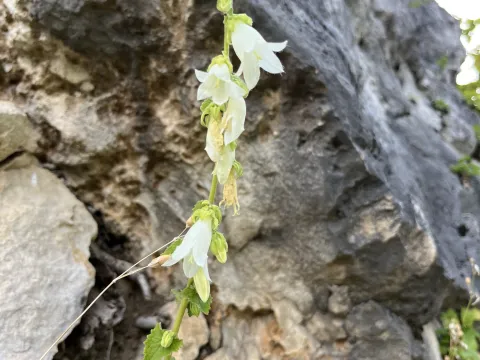
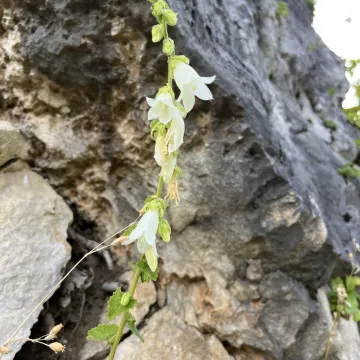
Ivory bells, scientifically known as Campanula alliariifolia, is a herbaceous perennial plant belonging to the Campanulaceae family. This species is highly regarded in horticulture for its unique, drooping creamy-white or pale ochre flowers that add structural interest and soft color to any landscape.
The native habitat of this plant includes the Caucasus mountains and areas within Asia Minor. Due to its origin in high-altitude environments, the plant is remarkably hardy and well-adapted to temperate climates, making it a reliable choice for gardeners who prefer low-maintenance, long-lived perennial displays.
Botanically, the plant is distinguished by its heart-shaped, basal leaves and tall spikes that can reach heights of 60–90 cm. The flowers are bell-shaped and typically arranged in one-sided racemes. The plant is prized for its foliage quality, which remains attractive throughout the growing season even before and after the peak bloom time.
For optimal growth, Campanula alliariifolia requires fertile, well-draining soil and a position that receives partial to full sun. While the species is somewhat drought-tolerant once established, providing consistent moisture during the blooming phase significantly improves flower longevity. Propagation is effectively achieved through seed sowing or division of older clumps during the dormant season.
In terms of plant health, Ivory bells are relatively robust but can occasionally suffer from fungal issues such as powdery mildew, especially if air circulation is poor or humidity levels are excessive. Common pests may include slugs and snails, which target tender young leaves. A proactive maintenance schedule, including mulching and thinning of stalks, ensures the plants remain healthy and productive for many years.
Photo gallery