Cenisia bellflower
Campanula cenisia
Description
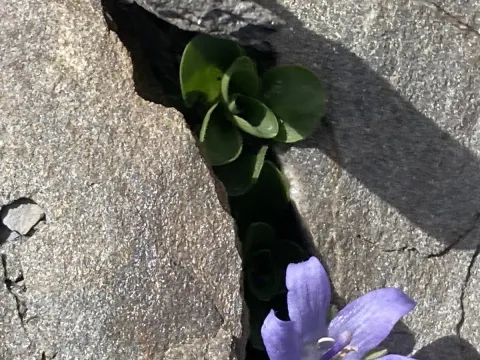
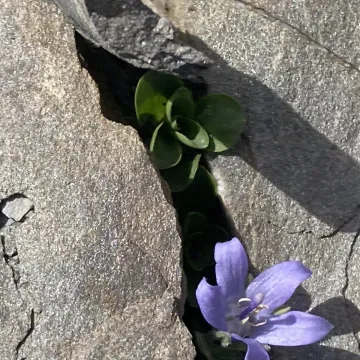
The Cenisia bellflower (Campanula cenisia) is a perennial herbaceous plant belonging to the Campanulaceae family. It is a true alpine gem, known for its tiny, low-growing habit that forms a tight carpet over rocky surfaces. This species is highly prized by alpine plant enthusiasts for its unique appearance and its ability to thrive in extremely harsh environments where few other plants can survive.
Native to the high-altitude regions of the Alps, the plant is naturally distributed across France, Italy, Switzerland, and Austria. Its evolutionary history is deeply linked to the mountain screes and rock crevices, which dictates its specific environmental needs in a garden setting. The species has adapted to survive in thin, mineral-rich soils with limited competition from larger vegetation.
Botanically, Campanula cenisia is characterized by its miniature size, usually not exceeding 5 centimeters in height. Its small leaves form basal rosettes, while the flowers, blooming in mid-summer, are singular, star-shaped, and display a striking pale blue or azure color. The disproportionate size of the flowers relative to the leaves is a distinctive aesthetic feature of this plant.
The cultivation of this bellflower requires specialized techniques. The key to successful growth is providing a substrate that mimics its natural habitat: sandy, gritty, and calcareous soil with excellent drainage is mandatory. The plant prefers cool temperatures and cannot tolerate high humidity or stagnant water at the roots. It requires a sunny but cool position, often benefiting from protection during the hottest part of a summer day.
The primary use of the Cenisia bellflower is in specialized rock gardens, crevice plantings, and troughs. As for plant health, it is generally resistant to many diseases, but it remains highly susceptible to root rot if the drainage is insufficient. Common garden pests, particularly snails and slugs, are attracted to its lush, low-growing foliage and can quickly damage the plant if protective barriers or regular monitoring are not implemented.
Photo gallery