Campanula drabifolia
Campanula drabifolia
Description
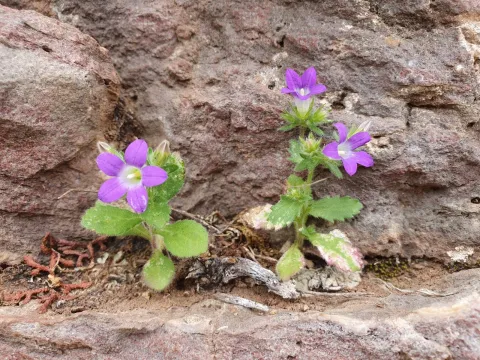
Campanula drabifolia is an herbaceous annual plant belonging to the Campanulaceae family. This species is widely recognized in ornamental horticulture for its compact growth habit and profuse flowering, making it a popular choice for rock gardens, container planting, and decorative border arrangements in various landscape settings.
Native to the Mediterranean region, this plant typically thrives in rocky terrains and open, sunny environments. In agricultural and horticultural contexts, Campanula drabifolia is cultivated for its resilience and ability to establish quickly, provided it receives sufficient solar exposure and moderate temperatures throughout its growing cycle.
From a botanical perspective, the plant features distinct campanulate flowers, often in shades of blue or violet, supported by foliage that may show slight pubescence. Its root system is relatively shallow, allowing it to adapt to thin, well-drained soils common in its natural habitat. The plant typically matures and completes its life cycle within a single season.
Successful cultivation requires well-drained, porous soil with a neutral to slightly alkaline pH. Irrigation should be applied systematically but cautiously, as the species is highly sensitive to waterlogged conditions which can lead to root rot. Standard agronomic practices include providing adequate spacing to ensure proper airflow, which helps prevent fungal outbreaks during humid periods.
- Excellent adaptability for rock gardens.
- Low-maintenance requirements.
- Vibrant flowering display in spring.
- Optimal growth in well-draining soil.
The primary use of this crop is aesthetic enhancement within landscape design. Regarding plant health, cultivators should monitor for common pests such as slugs and snails, which can damage leaves, and address potential fungal issues through proper spacing and moisture control to ensure healthy plant development.
Photo gallery