Campanula fenestrellata
Campanula fenestrellata
Description
Campanula fenestrellata, commonly known in its native range, is a perennial herbaceous plant belonging to the Campanulaceae family. It is widely recognized in horticulture for its ornamental value, particularly when used in rock gardens, walls, or as a dense, low-growing ground cover.
The species originates from the limestone slopes of the Balkan Peninsula, specifically Croatia. This native environment dictates its preferred growing conditions, favoring rocky substrates and well-drained soils that mimic its natural mountainous habitat.
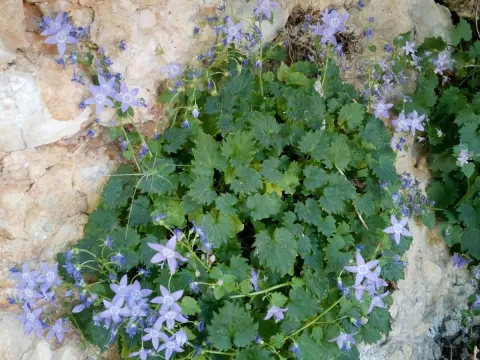
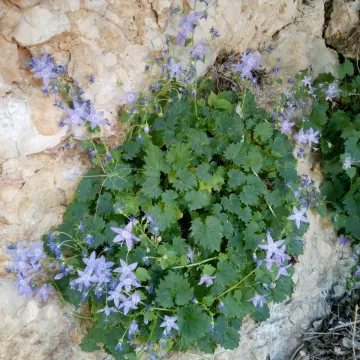
Botanically, the plant is characterized by basal rosettes of leaves and delicate, arching stems carrying star-shaped, deep blue to violet flowers. The specific name fenestrellata refers to the "window-like" appearance of the gaps between the petals, creating a distinct, airy floral structure during the blooming season.
Regarding agrotechnical requirements, the plant demands excellent drainage to prevent crown rot, which is a critical factor for success. It thrives in full sun or light shade, preferring soil that is slightly alkaline or neutral. In a garden setting, it requires minimal intervention once established, provided the site is not prone to waterlogging.
Typical issues for this plant include susceptibility to fungal diseases if kept in overly humid conditions or poor airflow. Common pests such as aphids or slugs may occasionally affect the foliage. Regular monitoring and maintaining a dry, well-ventilated environment are the best preventative measures for keeping the plant healthy.
Photo gallery