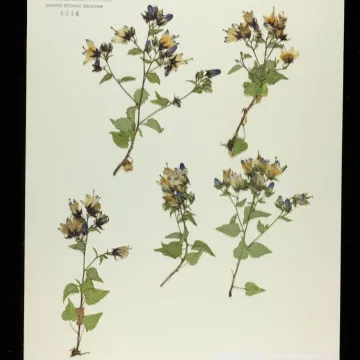
Campanula kemulariae
Campanula kemulariae
Description
Campanula kemulariae is a perennial herbaceous plant belonging to the Campanulaceae family. This species is an endemic plant originating from the mountainous regions of the Caucasus, where it thrives in rocky habitats and crevices, demonstrating a unique evolutionary adaptation to high-altitude environments.
Botanically, the plant is characterized by its compact, low-growing habit and fine, often pubescent foliage. The flowers typically display the classic bell shape synonymous with the genus, showcasing delicate lavender or blue hues that provide high ornamental value for specialized horticultural collections.
Regarding climate and environment, this species prefers cool, well-ventilated areas with ample sunlight but protection from harsh, direct midday heat. As an alpine plant, it is adapted to fluctuating temperatures but requires consistent air movement to prevent the development of physiological stress.
The agronomic management of Campanula kemulariae is centered on providing excellent drainage, which is the most critical factor for success. The growing medium should consist of mineral-heavy, porous soil, often amended with grit or sand to prevent moisture retention. Over-fertilization should be avoided, as it can lead to weak, elongated stems.
In terms of practical use, the plant is primarily utilized in ornamental horticulture, specifically in rock gardens, scree beds, and stone walls. Typical pests include gastropods such as slugs and snails, which can damage the leaves, while susceptibility to root rot is high if the plants are subjected to waterlogged, poorly drained soil conditions.
Photo gallery