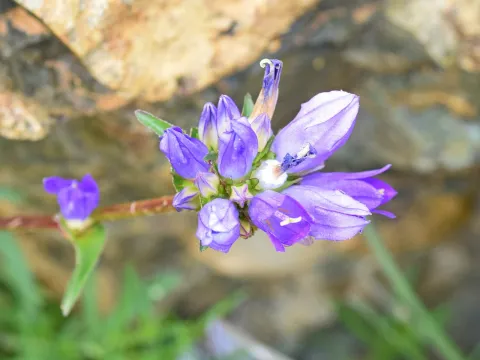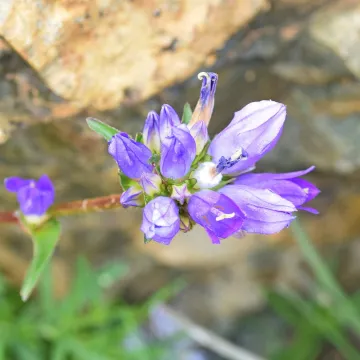
Tymphaea bellflower
Campanula tymphaea
Description
The Tymphaea bellflower (Campanula tymphaea) is a distinctive perennial plant belonging to the Campanulaceae family. Renowned for its natural beauty, this species is increasingly recognized in specialized horticulture as a valuable addition to rock gardens and alpine collections.
Originating from the mountainous terrains of Greece, specifically the Tymphi mountain range, this plant has evolved to thrive in harsh, rocky environments. Its natural habitat is defined by limestone soils and fluctuating high-altitude temperatures, which dictate its physiological requirements in cultivation.
From a botanical perspective, Campanula tymphaea features a neat basal rosette of foliage and slender, upright stems producing elegant bell-shaped blossoms. Its structure is naturally compact, making it an excellent candidate for small-scale landscapes where vertical space is limited.
Agricultural and horticultural success with this species depends heavily on replicating its native drainage conditions. The plant demands a substrate with excellent permeability, as it is highly sensitive to root rot caused by stagnant water, especially during dormant winter months.
Key management and protection strategies include:
- Ensuring high light exposure to maintain compact, non-leggy growth habits.
- Applying light, balanced mineral fertilizers sparingly to prevent excessive succulent growth.
- Implementing regular monitoring for typical pests such as gastropods (slugs and snails) that target the foliage.
- Utilizing gritty top-dressing around the crown to prevent moisture retention and fungal infections.
Photo gallery