Campyloneurum phyllitidis
Campyloneurum phyllitidis
Description
Campyloneurum phyllitidis, commonly known as the Long-strap fern, is a perennial epiphytic plant belonging to the Polypodiaceae family. Unlike many other ferns that possess delicate, lacy fronds, this species is distinguished by its simple, lanceolate, strap-like leaves that grow from a thick, creeping rhizome.
This fern is native to the tropical regions of the Americas, spanning from Florida and the Caribbean to various countries in South America. In its natural habitat, it typically grows as an epiphyte on tree trunks or on rocky outcroppings, utilizing its robust root system to anchor itself while absorbing moisture and nutrients from its immediate environment.
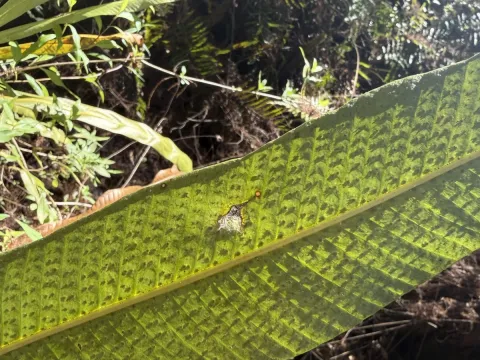
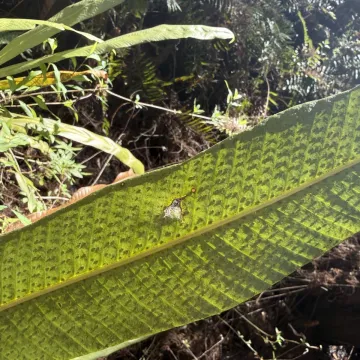
Botanically, the plant is characterized by its leathery, glossy fronds which can reach lengths of nearly a meter. The distinct venation pattern on the leaves, where lateral veins form a mesh-like structure, is a hallmark of the genus. Its architecture makes it a popular choice for indoor plant collections that require a structural, architectural aesthetic.
The cultivation of this fern requires strict attention to its environmental needs. It thrives in high-humidity environments with bright, indirect light. Temperatures should remain consistently warm, ideally between 20°C and 25°C. Exposure to direct sun will scorch the leaves, while temperatures below 15°C may lead to stunted growth or decline.
For optimal growth, the substrate must be loose and free-draining, mimicking the epiphytic conditions of its origin. A mixture of orchid bark, peat moss, charcoal, and perlite is highly recommended. The watering regime should ensure the soil remains moist but never waterlogged to prevent root rot, which is the most common issue in managed cultivation.
- Consistent misting to maintain air humidity.
- Fertilizing sparingly with a diluted liquid fern fertilizer.
- Repotting only when the rhizome outgrows the container.
- Regular inspections for scale insects or spider mites.
Photo gallery