Campylopus introflexus
Campylopus introflexus
Description
Campylopus introflexus is a species of moss in the family Dicranaceae. While not a conventional agricultural crop, it is a significant focus for agronomists and land managers due to its status as a highly invasive species that can rapidly colonize disturbed landscapes, potentially affecting soil composition and hindering the establishment of other plant species.
Originally native to the Southern Hemisphere, including South America, Australia, and New Zealand, this moss has successfully colonized large parts of Europe and North America. It thrives in anthropogenic environments such as sand pits, road verges, and heathlands. Its rapid expansion is largely attributed to its efficient vegetative reproduction through the fragmentation of shoots.
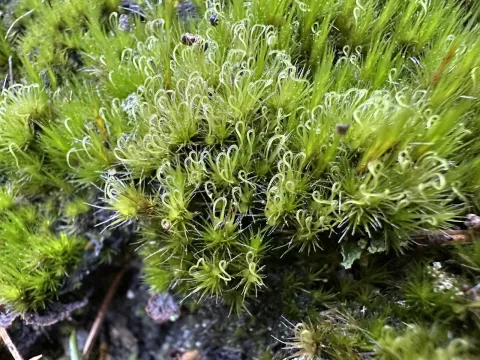
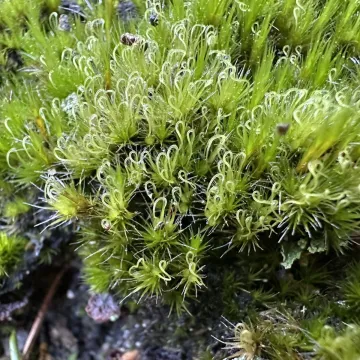
Botanically, it forms dense, yellowish-green to brownish mats. Its most notable feature is the presence of long, transparent, reflexed hair-points at the tips of the leaves, which give the moss colony a distinct grayish or silvery appearance. These structures are adaptations that help the plant manage moisture and light levels in harsh, exposed environments.
The environmental requirements of this moss are quite flexible, which explains its widespread success. It prefers acidic, nutrient-poor soils, including sandy or peat-based substrates. It is remarkably resilient to desiccation and can thrive in areas where other vegetation struggles, often dominating sites after fires or major soil disturbances.
Regarding agricultural management and host interaction, the following factors are critical:
- It acts as a competitor for space, preventing the germination of native vegetation or crops.
- It does not respond well to typical agricultural weed control, as its physiology differs significantly from vascular plants.
- Mechanical soil cultivation is the most effective way to break up the dense mats and prevent further establishment.
There are no significant pests or diseases that regulate its population, as it possesses robust biological mechanisms that prevent colonization by common pathogens. As a result, its management in a land-use context relies primarily on mechanical disturbance or site-specific chemical interventions designed to alter the soil pH, rendering the environment less hospitable for this invasive species.
Photo gallery