Campylopus pyriformis
Campylopus pyriformis
Description
Campylopus pyriformis is a species of moss belonging to the family Dicranaceae. While not classified as an agricultural crop in the traditional sense, it serves as a critical component of forest floor vegetation and an essential part of soil development processes in temperate regions. This moss grows in dense, cushion-like mats, providing stability to the substrate and preventing soil erosion.
The origin and distribution of this species are primarily centered in the temperate zones of the Northern Hemisphere. It thrives in habitats characterized by acidic soils, such as heathlands, bogs, and forest clearings. It often colonizes decaying organic matter, peat, or sandy soils where competition from vascular plants is reduced due to low nutrient availability or high acidity levels.
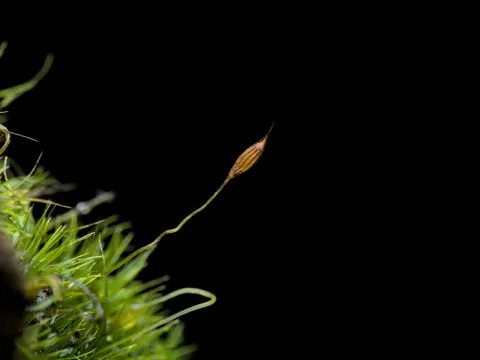
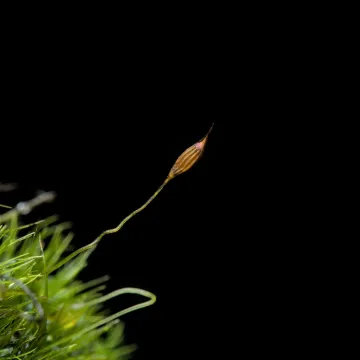
Botanically, Campylopus pyriformis is identified by its narrow, lanceolate leaves that press tightly against the stem. The diagnostic feature, which gives the plant its scientific name, is the pear-shaped (pyriform) capsule that holds the spores. These structures emerge on slender stalks, allowing the moss to disperse its reproductive units effectively through wind action across its local range.
In terms of environmental requirements, this moss is highly sensitive to soil pH, preferring acidic conditions that inhibit the growth of many other plant species. It requires consistent moisture levels, though it shows some tolerance for temporary drought periods by entering a state of dormancy. Cultivation methods for this moss are not practiced for agricultural production, but it is sometimes studied for bio-remediation or ecological restoration projects.
The survival of Campylopus pyriformis can be impacted by habitat loss due to drainage, chemical pollution, and nitrogen deposition from fertilizers used in adjacent fields. While it is generally robust, it lacks specific defenses against invasive fungal pathogens. Monitoring this species helps scientists assess the stability and environmental health of forest ecosystems, as it acts as a silent sentry for changes in soil chemistry.
Photo gallery