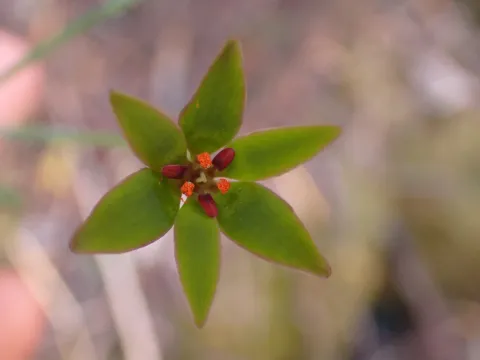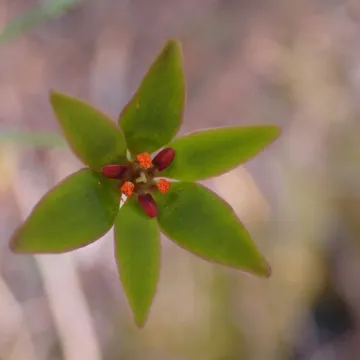
Campynema lineare
Campynema lineare
Description
Campynema lineare is a unique perennial herbaceous plant, representing the only species within its genus, belonging to the family Campynemataceae. Unlike mass-market agricultural crops, this species is primarily of interest to botanists and specialized collectors, serving as a significant example of rare endemic flora.
The native habitat of this species is the island of Tasmania. It is naturally adapted to specific high-altitude and woodland ecosystems, thriving in cool and humid environments. Although it is not grown on a commercial agricultural scale, its presence is a subject of ongoing studies regarding the conservation of Tasmanian biodiversity.
Botanical features of the plant include distinct linear leaves arranged in a basal rosette, accompanied by a slender flower stalk bearing small, often greenish or yellowish flowers. The root system is relatively delicate, requiring a specific substrate structure to maintain its health and physiological functions.
Regarding cultivation requirements, the plant demands acidic, well-drained soils rich in organic matter, along with a consistently cool and humid microclimate. In agrotechnical practices, successful propagation requires strict imitation of its natural Tasmanian habitat, as the plant is highly sensitive to heat stress and drought conditions.
The current horticultural use is limited to botanical gardens and niche plant collections. In terms of health management, the plant is susceptible to common garden pathogens, particularly root rots resulting from waterlogging and fungal infections triggered by inadequate air circulation, which are critical factors to monitor in controlled environments.
Photo gallery