Hairy jack-bean
Canavalia villosa
Description
Canavalia villosa, commonly known as the hairy jack-bean, is a leguminous plant species belonging to the Fabaceae family. It is a perennial or annual climbing herb characterized by its rapid growth habit and significant biomass production, which makes it an excellent candidate for agricultural systems in warm climates.
The species originates from the tropical regions of Central and South America. Historically, it has been distributed across various tropical environments where its ability to thrive in diverse soil types and adapt to different light conditions has allowed it to play a crucial role in local ecosystem stabilization and soil nitrogen management.
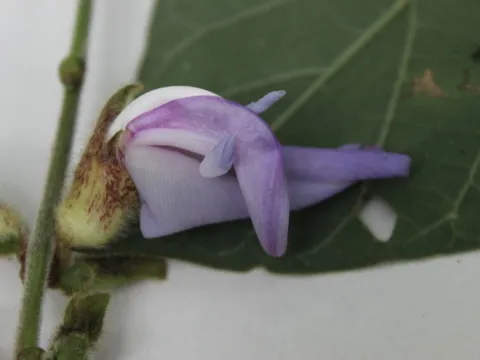
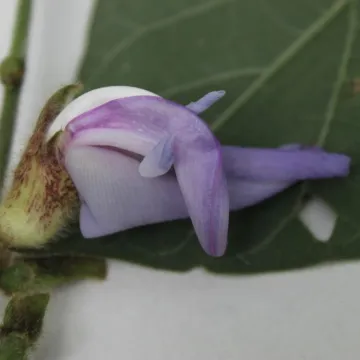
Botanically, the plant is distinguished by its hirsute (hairy) stems and leaves, which serve as an adaptation to prevent water loss and protect the tissue from harsh tropical sun. The inflorescences consist of showy, papilionaceous flowers that produce pods containing nutrient-dense seeds, although these seeds often require processing before human or animal consumption due to antinutritional factors.
Agronomically, Canavalia villosa requires a frost-free environment and sufficient rainfall or irrigation to reach its full potential. It prefers well-drained loamy soils but displays tolerance to poor soil quality. The typical cultivation cycle involves sowing in the warm season, ensuring that the climbing vines have adequate support structures or space to sprawl if used as ground cover.
The plant is highly valued for its multifaceted utility in modern agriculture:
- Serving as a nitrogen-fixing green manure to improve soil fertility.
- Acting as a weed-suppressing cover crop in agroforestry systems.
- Providing high-protein forage for livestock after appropriate treatment.
Maintenance of the crop involves monitoring for common legume pests like bruchid beetles, which can damage the seeds, and spider mites. Pathologically, the plant can be susceptible to fungal infections such as anthracnose during periods of high humidity and poor ventilation, necessitating good crop rotation practices.
Photo gallery