Canistel
Pouteria lucuma (Ruiz et Pav.) Kuntze
Description
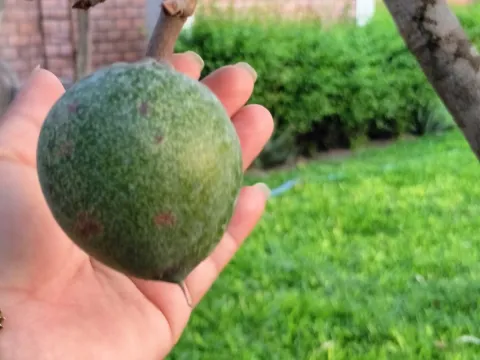
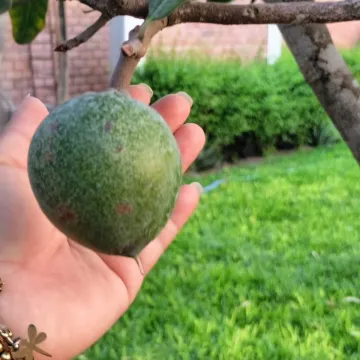
Canistel, scientifically known as Pouteria lucuma, is an evergreen tree belonging to the Sapotaceae family. Frequently referred to as the egg fruit, this crop is distinguished by its unique fruit texture, which resembles cooked egg yolk when ripe. It is a significant agricultural product in various tropical and subtropical regions across the globe.
The origin of this species traces back to the tropical Americas, particularly regions in Mexico and Peru. Over centuries, the cultivation range has expanded to include Southeast Asia, the Caribbean, and parts of Africa. The plant thrives in diverse environments but prefers climates with stable temperatures, avoiding prolonged cold spells that can damage the tree's health.
Botanically, the canistel tree features dense foliage with glossy, lance-shaped leaves and produces small, creamy-white flowers. The fruits are typically oval or conical, possessing a thin, smooth skin and a sweet, powdery flesh. Inside the fruit, large brown seeds are contained, which are traditionally used for propagation, although grafting is preferred in commercial settings to ensure fruit quality.
Agrotechnical requirements for canistel involve selecting well-draining, nutrient-rich soils with an optimal pH level. The trees are sun-loving and require sufficient spacing in orchards to ensure proper air circulation and light penetration. Regular irrigation is necessary during the early growth stages, though mature trees demonstrate a moderate level of resilience to dry periods.
The primary horticultural challenges include managing pests such as fruit flies, scale insects, and mealybugs. Maintaining soil health and monitoring for fungal leaf diseases are crucial for sustained production. Regarding its use, canistel is highly versatile in the food industry, widely utilized in ice creams, custards, milkshakes, and various baked goods due to its dense, nutrient-dense pulp.
Photo gallery