Cantinoa mutabilis
Cantinoa mutabilis
Description
Cantinoa mutabilis is a perennial herbaceous plant belonging to the Lamiaceae (mint) family. Formerly classified under the genus Hyptis, this species has been reclassified to better reflect its evolutionary lineage. It is recognized in agronomy for its adaptability and the production of specific secondary metabolites that have potential value in industrial and medicinal applications.
The native range of this plant encompasses tropical and subtropical areas of the Americas. Over time, it has established itself in various habitats, demonstrating a significant capacity to thrive in diverse environmental conditions. Currently, it is cultivated or managed in several regions where the climate remains frost-free for the majority of the growing season, allowing it to complete its reproductive cycle effectively.
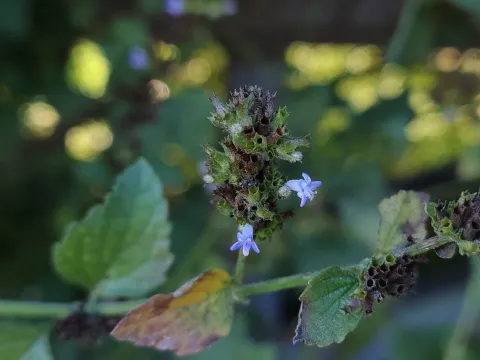
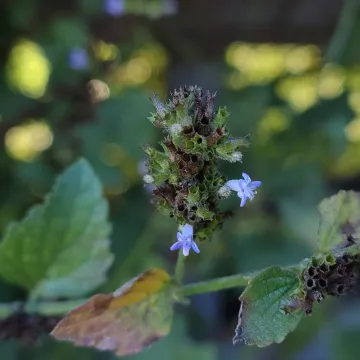
From a botanical perspective, the plant features erect, often branched stems with opposite, serrated leaves. The inflorescences are dense clusters of flowers that exhibit a unique color-changing phenomenon throughout their blooming stage, which is characteristic of the genus. This trait not only serves as a botanical identifier but also plays a role in pollinator attraction.
Cultivation requirements for Cantinoa mutabilis focus on well-draining, fertile soil with a neutral to slightly acidic pH level. It thrives best in full sun but can tolerate partial shade in hotter climates. Irrigation management is critical; while the plant requires consistent moisture for optimal biomass production, it is sensitive to waterlogging, which can quickly lead to root decay.
Key agricultural and economic uses include:
- Honey production due to high pollinator attractiveness.
- Extraction of essential oils for industrial use.
- Soil conservation and stabilization of degraded areas.
- Research into natural antimicrobial properties for plant protection.
Pest management for this crop often involves monitoring for common greenhouse and field pests, such as whiteflies and aphids, which feed on the sap and can spread viral pathogens. Diseases, primarily powdery mildew and root rot caused by fungi, are managed through appropriate spacing to ensure airflow and controlled irrigation techniques. Integrated pest management (IPM) practices are highly recommended to ensure sustainability.
Photo gallery