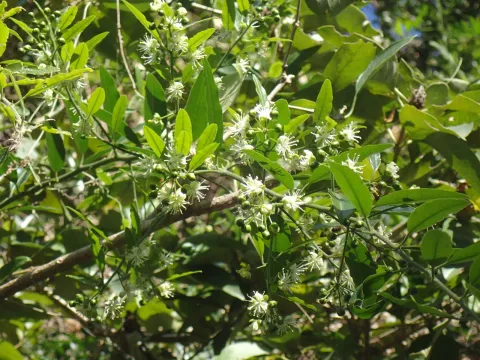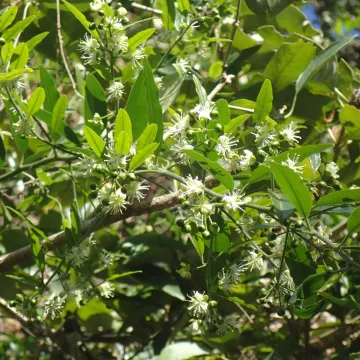
Capparis fascicularis
Capparis fascicularis
Description
Capparis fascicularis is a perennial evergreen shrub or small tree belonging to the family Capparaceae. This species is highly regarded for its remarkable resilience and ability to thrive in arid environments, making it a subject of interest for both botanical research and specialized horticulture.
The plant is native to various regions in Africa and parts of the Arabian Peninsula. It naturally occurs in savannas, semi-deserts, and rocky habitats, where its survival strategy is dictated by its capacity to endure prolonged droughts and utilize mineral-poor, skeletal soils efficiently.
Botanically, Capparis fascicularis is characterized by woody, often thorny stems and thick, leathery leaves covered with a protective cuticle to minimize transpiration. The plant produces distinctive flowers that are structurally adapted for pollination by insects in harsh ecological conditions, serving as a key element of its biodiversity.
Agricultural success with this crop requires precise environmental conditions. It demands full sun exposure and extremely well-draining soil, typically a sandy or gravelly loam. The root system is highly sensitive to hypoxia caused by excess water, necessitating a cautious and moderate irrigation schedule during the growing season.
- Light: Full sun is essential for vegetative growth.
- Irrigation: Low, focusing on long intervals between waterings.
- Soil: Neutral to slightly alkaline, high drainage capacity.
- Hardiness: Requires frost-free temperatures year-round.
Economically, the plant is primarily utilized in xeriscaping and sustainable land management projects in dry climates. While not a conventional commodity crop, its genetic potential regarding drought tolerance is of significant interest for plant breeding, particularly in the context of global climate change.
Common issues include root rot, which is almost exclusively associated with improper irrigation practices or poor soil drainage. Pest threats include mites and scale insects that may attack the foliage; integrated pest management (IPM) focusing on biological control is recommended to maintain the plant's health.
Photo gallery