Rough caper
Capparis scabrida
Description
The rough caper (Capparis scabrida) is a perennial shrub belonging to the Capparaceae family. Known for its resilience, this species is specifically adapted to arid and semi-arid environments, demonstrating remarkable tolerance to water scarcity and saline soils, which distinguishes it from other commercial caper varieties.
The plant is native to South America, specifically in regions of Peru and Ecuador. Its natural habitat includes dry tropical forests and coastal valleys. Due to its deep root system and physical structure, the plant serves as a vital component in local ecosystems, helping to stabilize sandy and rocky soils against erosion.
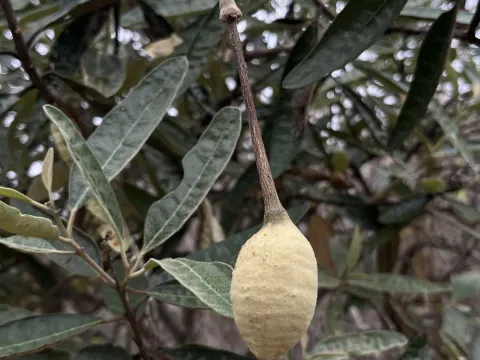
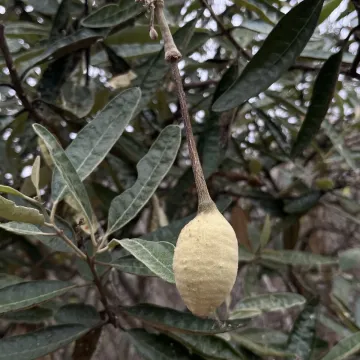
Botanically, Capparis scabrida is characterized by its tough, often thorny branches and coriaceous leaves that feature a rough texture. The flowers are typically ornamental with long stamens, designed to attract specific pollinators in dry environments. The shrub's growth habit is generally sprawling, requiring adequate spacing for optimal development.
Agronomic requirements are focused on high solar exposure and excellent drainage. The plant thrives in sandy or rocky soils with a neutral or alkaline pH. In cultivation, it is essential to prevent waterlogging, as the root system is highly susceptible to rot if oxygen levels in the substrate are insufficient due to excessive moisture.
The main areas of utilization include:
- The harvest of young flower buds for the culinary industry (pickled capers).
- Land reclamation and soil erosion control in arid coastal regions.
- Potential use in the pharmaceutical sector for extracting bioactive compounds.
- Ornamental use in xeriscaping and sustainable landscaping projects.
Common phytosanitary issues involve root rot pathogens, which are primarily triggered by improper irrigation management. Additionally, specific leaf-eating insects may pose a threat to young seedlings. Effective management practices focus on maintaining structural integrity through pruning and ensuring that the soil drainage capacity meets the plant's physiological needs.
Photo gallery