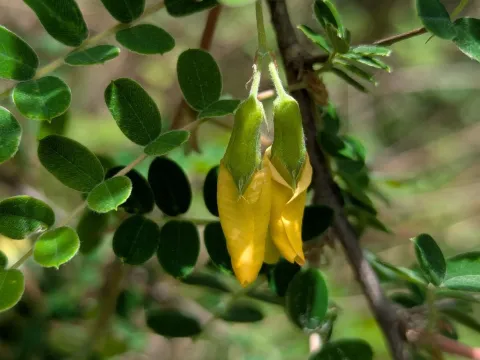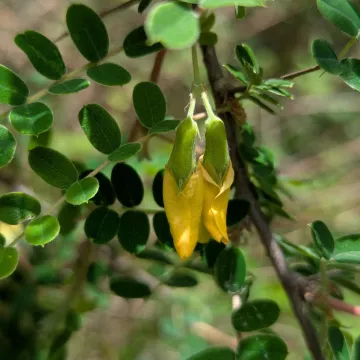
Short-spined peashrub
Caragana brevispina
Description
The short-spined peashrub (Caragana brevispina) is a perennial deciduous shrub belonging to the Fabaceae family. It is a robust plant species known for its remarkable ability to thrive in harsh environments, making it a subject of interest for sustainable agricultural and ecological restoration projects.
Native to the arid regions of Central Asia, this shrub is naturally distributed in rocky habitats and semi-desert zones. Its primary range of cultivation is currently focused on regions requiring xerophytic plants that can survive low precipitation levels and tolerate significant temperature fluctuations throughout the year.
Botanically, Caragana brevispina is characterized by a compact branching structure and the presence of stiff, short spines that protect the plant from herbivory. Its leaves are pinnate, allowing for efficient transpiration control, which is essential for survival in its arid native range.
The agronomy of this species is relatively straightforward, as it requires minimal human intervention. It thrives in well-drained, nutrient-poor, sandy, or rocky soils. A critical requirement is full sun exposure; shade drastically reduces the plant's growth vigor and its reproductive capability.
The main agricultural and utility applications for this crop include:
- Establishment of shelterbelts to mitigate soil erosion by wind.
- Use in arid land reclamation projects to improve soil nitrogen levels.
- Creating protective, impenetrable hedgerows in livestock farming.
- Restoration of degraded mountain slopes and disturbed habitats.
The plant is relatively resistant to pests and diseases, although under poor drainage conditions, it may suffer from fungal leaf spots and root pathogens. Insect pests such as aphids or leaf-feeding beetles are common in some areas and should be monitored during the active growing season to ensure plant health.
Photo gallery