Andiroba
Carapa guianensis Aubl.
Description
Andiroba (Carapa guianensis Aubl.) is a significant evergreen tree species belonging to the Meliaceae family. In its natural habitat, the tree can grow to heights of 50 meters, characterized by a straight, robust trunk. It is globally recognized for its timber, often referred to as crabwood, and its seeds, which yield a medicinal oil rich in fatty acids.
Native to the tropical regions of South and Central America, specifically the Amazon basin, the tree is well-adapted to swampy environments and floodplains. As a crop, it is increasingly cultivated in agroforestry systems. Its ability to thrive in wet conditions makes it an excellent choice for reforestation projects in tropical climates that require sustainable management practices.
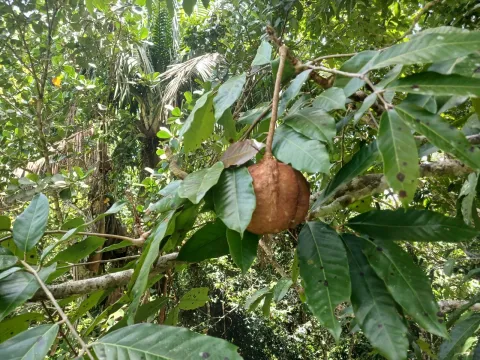
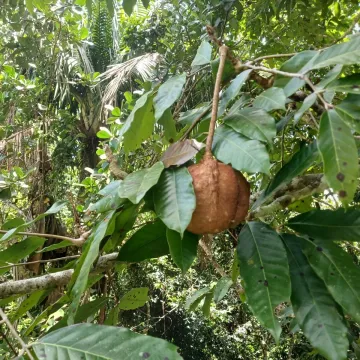
Botanically, the species is distinct due to its large, pinnate leaves and small, fragrant flowers arranged in panicles. The fruit is a large, woody capsule that contains seeds encased in a thick shell. These seeds are harvested periodically for the production of Andiroba oil, which is famous for its anti-inflammatory and insect-repellent properties.
The climate requirements for Andiroba are strict: it demands high humidity, consistent tropical temperatures, and deep, nutrient-rich soils. While it can withstand temporary flooding, stagnant water around the roots for extended periods during the initial growth phase should be avoided. Successful cultivation requires shade management during the seedling stage to protect young plants from intense solar radiation.
The commercial applications of Andiroba are diverse and include:
- Production of high-quality oil for the cosmetic and pharmaceutical industries.
- Extraction of valuable timber for fine furniture making and indoor construction.
- Use of bark and leaves in traditional healthcare and natural remedy development.
- Implementation in riparian buffer zones to prevent soil erosion.
The health of Andiroba plantations is generally robust, but the trees are susceptible to fungal diseases in excessively humid conditions, which can lead to leaf spots or root decay. Insect pests, particularly wood-boring beetles, pose a threat to timber quality if not managed correctly. Sustainable pest control, emphasizing biological monitoring and selective care, is preferred over synthetic chemicals to maintain the purity of the harvested seeds.
Photo gallery