Spring cress
Cardamine bulbosa
Description
Spring cress (Cardamine bulbosa) is a perennial herbaceous plant belonging to the Brassicaceae family. In agriculture and horticulture, this species is recognized for its early-season foliage and distinct peppery flavor, making it a niche leafy green crop suitable for intensive or small-scale farming.
The plant originates from North America, where it thrives in moist woodlands, meadows, and along stream banks. Its cultivation range is currently expanding among growers who focus on specialty greens and native edible plants that require minimal intervention once established in appropriate environmental conditions.
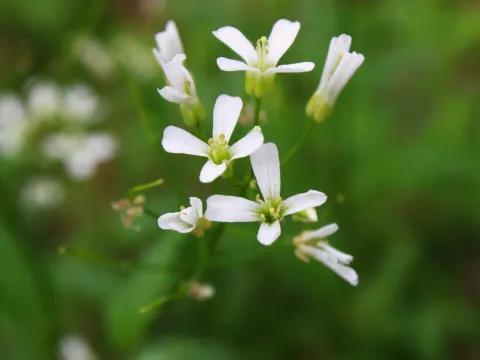
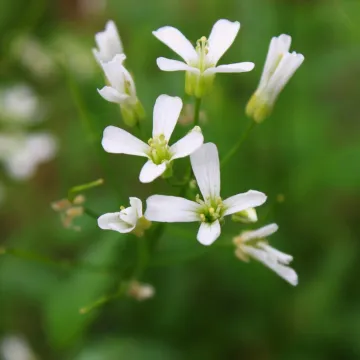
Botanically, Cardamine bulbosa is characterized by its small, tuberous rhizomes or bulb-like bases, which distinguish it from other related Cardamine species. The basal leaves are typically heart-shaped and dark green, while the flowering stems produce white, four-petaled flowers. The plant's architecture allows for rapid regrowth after harvesting, provided the growing season remains cool and moist.
Agronomic requirements for Spring cress center around soil moisture and site selection. It thrives in fertile, loamy soils that can retain significant moisture throughout the growing season. A semi-shaded location is preferred, as full sun often leads to premature wilting and reduced leaf quality. Maintaining a soil pH between 6.0 and 7.0 is essential for optimal nutrient uptake.
The culinary applications of Spring cress involve its use as a raw salad green or a piquant garnish. Aside from its food value, the plant requires vigilance regarding common pests such as flea beetles and aphids, which are frequent challenges for members of the mustard family. Proper irrigation management is the primary factor in preventing soil-borne pathogens and ensuring a high-quality harvest.
Photo gallery