Kitaibel's bittercress
Cardamine kitaibelii
Description
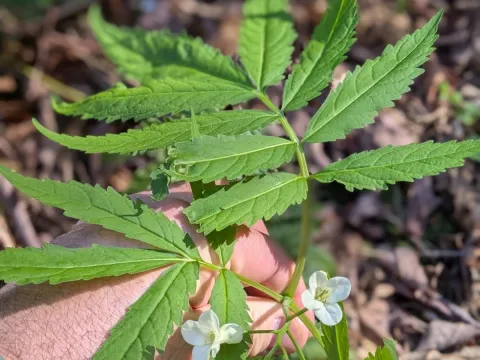
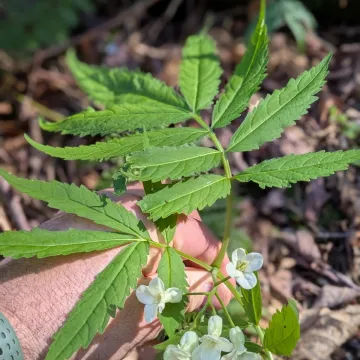
Kitaibel's bittercress (Cardamine kitaibelii) is a perennial herbaceous plant belonging to the Brassicaceae family. It is native to the mountainous regions of Central and Southern Europe, primarily thriving in moist, shaded forest habitats where the microclimate remains cool and stable throughout the year.
Botanically, the plant is distinguished by its basal rosettes of pinnate leaves and slender flowering stalks. During the spring, it produces terminal racemes of delicate flowers, which typically feature four petals, consistent with the morphology of the genus Cardamine. The plant's root system is relatively shallow, requiring stable environmental conditions.
Cultivation requirements for this species are centered on mimicking its natural forest environment. It is categorized as a shade-loving crop that necessitates high air humidity and protection from direct, harsh sunlight. Temperature fluctuations should be minimized, as the species is sensitive to heat stress and excessive drought during the growing season.
Regarding soil management, Kitaibel's bittercress requires rich, organic, and well-drained soil. A neutral to slightly acidic pH is ideal for nutrient uptake. Consistent soil moisture is critical; however, practitioners must ensure proper drainage to prevent root hypoxia and waterlogging, which are detrimental to the plant's long-term health.
The agricultural and ornamental utilization of this plant is primarily focused on woodland garden settings and niche botanical collections. Disease and pest management is essential, with common concerns including:
- slugs and snails;
- crucifer flea beetles;
- soil-borne fungal pathogens causing root rot.
Photo gallery