Balloon vine
Cardiospermum halicacabum L.
Description
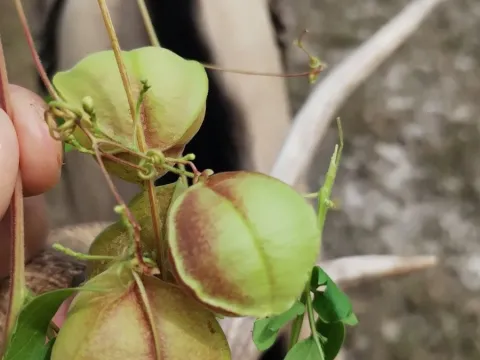
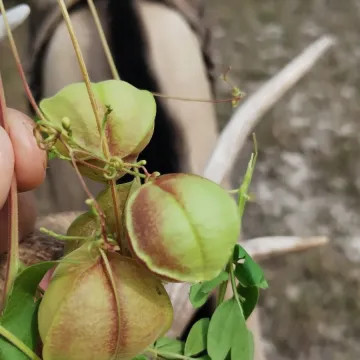
Balloon vine (Latin: Cardiospermum halicacabum L.) is a herbaceous climbing plant belonging to the Sapindaceae family. Known for its distinct inflated seed capsules that resemble miniature lanterns, this species is highly valued both for its aesthetic appeal and its significant pharmacological properties. It is a vigorous annual grower in temperate climates, capable of climbing several meters within a single season.
Originally native to tropical and subtropical regions of Africa, Asia, and the Americas, the balloon vine has spread globally. In professional horticulture and agriculture, it is treated as a heat-loving crop. It thrives in regions with long, frost-free growing seasons. The plant prefers open, sunny locations with protection from strong winds, as its stems, while resilient, can be damaged by mechanical stress.
Botanically, the plant is characterized by its alternate, compound leaves and small, white flowers. The most notable feature is the seed, which contains a white, heart-shaped hilum on a dark brown or black seed coat. This biological marker makes the species easily identifiable. The root system is relatively shallow but extensive, requiring a stable nutrient supply in the upper soil layers to support its rapid vertical expansion.
Agricultural requirements include well-drained, fertile soil with a slightly acidic to neutral pH. Proper soil moisture management is critical; while the plant requires consistent watering for rapid growth, waterlogging must be avoided to prevent root rot. Nitrogen-rich fertilizers can be applied early in the season to encourage vegetative growth, while phosphorus aids in the development of the characteristic seed capsules.
Economic and practical applications for this crop include:
- Landscaping: Used extensively for vertical greening of trellises, fences, and walls.
- Pharmaceuticals: Highly valued in skin care for its anti-inflammatory properties, often used in creams to treat eczema and dermatitis.
- Traditional Medicine: Extracts are historically used in various cultures to address respiratory or rheumatic conditions.
- Floristry: Dried seed pods are sought after for decorative dried flower arrangements and wreaths.
In terms of plant health, the balloon vine is susceptible to common pests like aphids and spider mites, particularly in greenhouse conditions or during periods of heat stress. Fungal infections, such as powdery mildew, may occur if air circulation is poor or humidity levels remain high for extended periods. Regular monitoring and the application of integrated pest management (IPM) techniques are essential to maintain the health and decorative value of the cultivation.
Photo gallery