Silver thistle
Carduus argentatus
Description
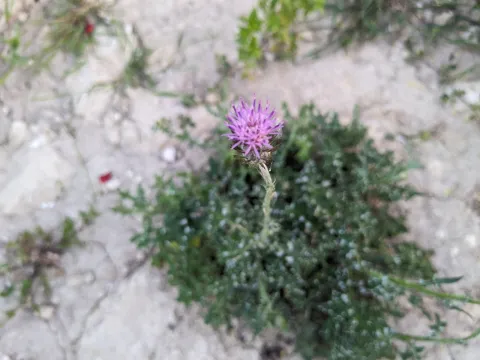
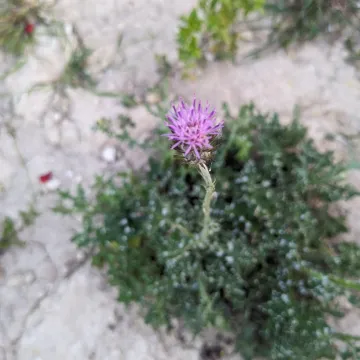
Silver thistle (Carduus argentatus) is a biennial herbaceous plant belonging to the Asteraceae family. Known for its distinct silvery-white pubescence, this plant has gained attention in agricultural research for its ability to thrive in harsh environments where traditional crops often fail to establish or produce significant biomass.
The species originates from the Mediterranean region and parts of the Middle East, where it has historically adapted to arid and semi-arid conditions. Its range is naturally linked to open, sun-exposed landscapes, including rocky slopes and steppe zones. In an agricultural context, it is increasingly viewed as a functional crop for land restoration and biodiversity support.
Botanically, Carduus argentatus features a robust stem and spiny, deeply divided leaves that are covered with fine hairs, providing protection against extreme solar radiation and drought. The flowers are arranged in vibrant, prickly heads that serve as a crucial resource for various pollinating insects, playing a vital role in local ecosystem services.
Cultivation requirements for this crop focus on well-drained, alkaline-to-neutral soils. It is highly resistant to heat and requires minimal irrigation once established. Agronomic practices include direct sowing in early spring and maintaining proper spacing to ensure adequate airflow, which is critical for preventing fungal diseases in the dense foliage of the plant.
The practical utility of the silver thistle covers several sectors:
- Apiculture: It is highly valued as a late-season nectar source for honey bees.
- Soil Improvement: Its deep taproot helps in aerating compact soils and preventing erosion.
- Industrial use: Potential for extraction of bioactive compounds for pharmacological research.
Like many species in the thistle family, it is susceptible to specific pests, including stem-boring weevils and aphids. Disease management is relatively straightforward but must include monitoring for powdery mildew, which can become a problem if the crops are planted in areas with poor ventilation or stagnant air conditions.
Photo gallery