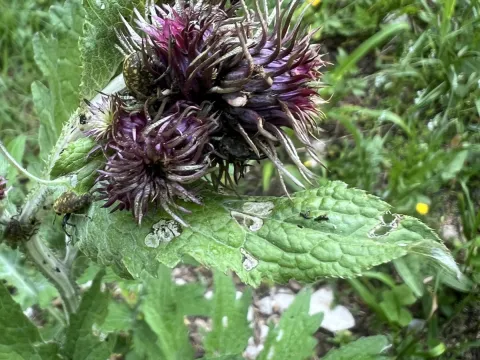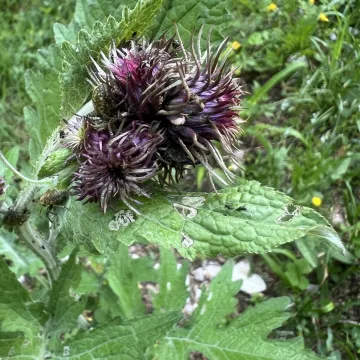
Marsh thistle
Carduus personata
Description
Marsh thistle (Carduus personata) is a robust biennial herbaceous plant belonging to the Asteraceae family. Known for its imposing stature and characteristic thorny appearance, it is frequently encountered in damp environments. While often considered a weed in intensive agriculture, it plays a specific role in the biodiversity of grassland ecosystems.
The plant is native to Europe and is widely distributed across temperate regions. It prefers moist, nutrient-rich soils, such as those found in river floodplains, wet meadows, and forest margins. Its presence is often an indicator of high soil fertility and sufficient moisture availability, which distinguishes it from many other thistle species that prefer drier, sandy conditions.
Botanically, Carduus personata is distinguished by its winged, spiny stems and purple flower heads. The foliage is deeply lobed and armed with sharp spines, which deter grazing livestock. The plant completes its life cycle over two years: during the first year, it develops a basal rosette, and in the second, it produces an erect, flowering stalk that can reach up to 2 meters in height.
Agronomic management of this species focuses on preventing seed dispersal, which can lead to localized infestations. Control measures typically include mowing or mechanical removal before the flowering stage. The species thrives in cool, humid climates and is sensitive to extreme drought during its early growth phases, requiring consistent soil moisture to achieve full development.
- Excellent source of nectar for local pollinators.
- Strong competitive ability against other pasture weeds.
- Ecological indicator of rich, moist, nitrogen-heavy soils.
- Historically utilized for traditional medicinal properties.
Common pests associated with the plant include specialized weevils and aphids that target the stems and leaves. Additionally, various fungal diseases, such as rust and powdery mildew, can affect the plant during humid seasons. These natural stressors play a crucial role in regulating the population density of the plant in undisturbed habitats.
Photo gallery