Southern Alpine Sedge
Carex austroalpina
Description
Southern Alpine Sedge (Carex austroalpina) is a perennial herbaceous plant belonging to the Cyperaceae family. Within the agricultural sector, this species is recognized for its vital role in the composition of high-altitude grasslands and its ability to stabilize soil in alpine environments.
Originating from the mountainous regions of Europe, this species is naturally adapted to rugged terrain and harsh climatic conditions. Its distribution is typically confined to alpine meadows, where it thrives in landscapes that are often unsuitable for conventional industrial crop cultivation, yet essential for ecological balance.
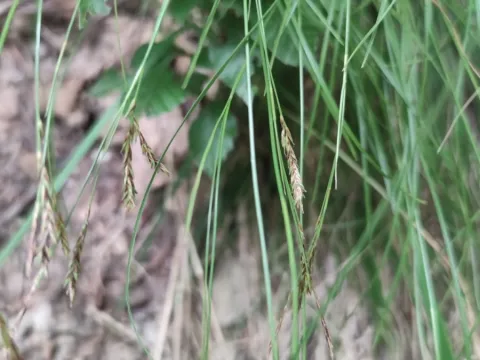
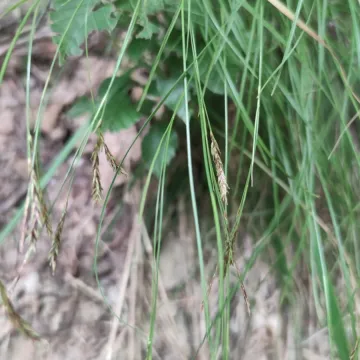
Botanically, the plant is characterized by a dense, tufted growth habit and narrow, stiff leaves. Its extensive root system is a critical feature, serving to bind the soil and prevent surface erosion on slopes. During the short summer season, it produces spike-like inflorescences that contribute to the biodiversity of the local flora.
The environmental requirements for this sedge are highly specific. It favors well-drained but consistently moist soils, typically in regions with cool summers and significant thermal amplitude. The plant exhibits remarkable hardiness, surviving extreme winter cold and frost, which limits the need for protective agricultural measures.
In agricultural practice, its primary use is as forage in traditional pasture systems and as a natural land cover to prevent erosion. It is generally resistant to standard agricultural pests, although under conditions of extreme moisture, it may become susceptible to rust fungi. It is typically managed through low-intensity grazing, which ensures the maintenance of the alpine meadow structure.
Photo gallery