Short-spiked sedge
Carex brachystachys
Description
Short-spiked sedge (Carex brachystachys) is a perennial herbaceous plant belonging to the Cyperaceae family. This species is recognized for its robust growth pattern and its ability to thrive in specific environmental niches, making it a subject of interest in both botany and ecological restoration.
Originating from the mountainous regions of Europe, this sedge is well-adapted to alpine and subalpine climates. Its natural distribution is found in environments characterized by high humidity, rocky terrain, and significant temperature fluctuations, which the plant manages through a dormant winter phase.
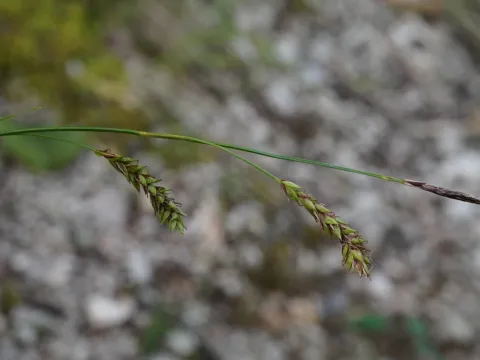
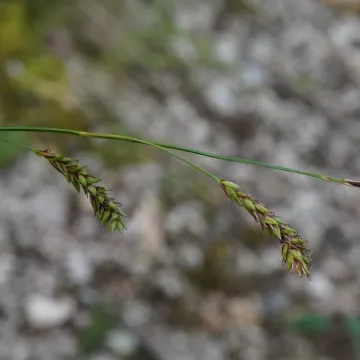
Botanically, the species is defined by its slender foliage and distinctively short spikes that provide the basis for its scientific name. It typically grows in clumps, with a dense root system that serves to stabilize the ground. The anatomical structure of the plant reflects its adaptation to cool, high-elevation conditions.
Regarding cultivation, this species requires specific soil and climate conditions to thrive. It performs best in well-drained, nutrient-rich soils that maintain consistent moisture levels. Good agricultural practice for this plant includes monitoring soil pH and ensuring that the substrate does not become overly compacted, which could inhibit root development.
The practical application of short-spiked sedge is primarily directed toward land management and soil conservation. Because of its dense growth habit, it is effective in preventing soil erosion on slopes. While it is generally hardy, it can be susceptible to common sedge-related pests such as certain beetle larvae and fungal pathogens that thrive in overly damp or poorly ventilated conditions.
Photo gallery