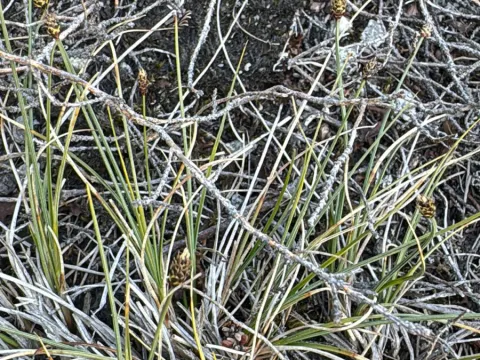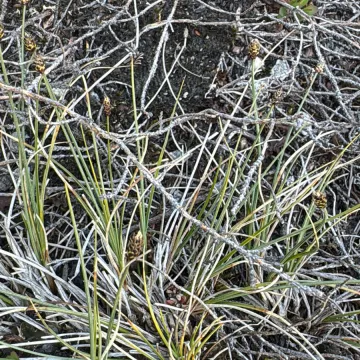
Capitate sedge
Carex capitata
Description
Capitate sedge (Carex capitata) is a perennial herbaceous plant belonging to the Cyperaceae family. It is a highly specialized species that has adapted to harsh environmental conditions, making it a subject of interest for northern agriculture and ecological restoration projects in extreme latitudes.
The plant originates from arctic and subarctic regions across Eurasia and North America. It is typically found in high-altitude environments, wetlands, and tundra regions where soil nutrients are scarce and temperatures remain low throughout most of the year. Its distribution reflects its resilience to cold climate stressors.
Botanically, the plant grows in small, dense tufts reaching heights of 5 to 25 cm. The defining characteristic of this species is its single, rounded, head-like terminal spike, which distinguishes it from other members of the genus Carex. The rhizomes are relatively short, allowing the plant to form stable clusters in nutrient-poor soils.
In terms of agricultural management, capitate sedge prefers moist, acidic soils but requires good drainage to thrive. It does not demand high-intensity fertilization, which makes it suitable for low-input land management strategies. Cultivation primarily focuses on re-establishing vegetative cover in areas affected by erosion or mining activities in the north.
Regarding economic usage, the primary role of this sedge is in supporting northern grazing systems, particularly for reindeer herds that consume it as an early-season forage. While it is not a common commodity crop, it remains ecologically significant. Typical pests include various sedge-specialist insects, and diseases usually involve rusts or mildews during seasons of unusually high humidity, though the plant generally maintains high levels of resistance.
Photo gallery