Chestnut sedge
Carex castanea
Description
Chestnut sedge (lat. Carex castanea) is a perennial herbaceous plant belonging to the Cyperaceae family. In agronomy and horticulture, this species is recognized for its unique aesthetic and ecological value, particularly in managed wetland environments and naturalized garden settings.
The origin of Carex castanea is rooted in North America, where it thrives in moist meadows, forested wetlands, and bog margins. Its natural distribution is primarily found in eastern and central regions, demonstrating a strong preference for cool, humid climates and nutrient-rich, damp soils.
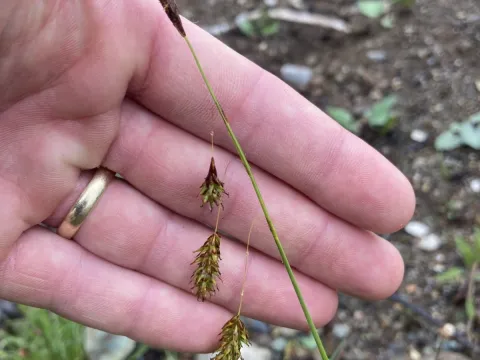
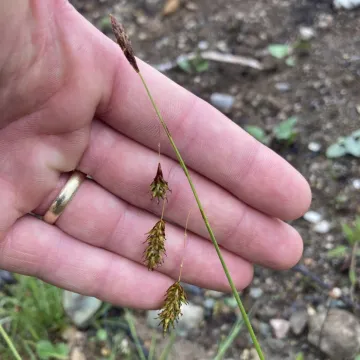
Botanical features are defined by the plant's distinctive chestnut-colored inflorescences, which serve as its primary identifier. The foliage consists of narrow leaves forming dense tufts, supported by a rhizomatous root system. The plant typically reaches a height of up to 70 centimeters, showing a vertical growth pattern that is both elegant and structurally resilient.
Agricultural and horticultural requirements focus on maintaining consistent moisture levels. While the plant is adaptive, it thrives best in acidic to neutral soil types that are rich in organic matter. Proper spacing is essential to ensure adequate airflow, which is critical for preventing common fungal issues and promoting healthy vegetative growth throughout the season.
The primary хозяйственное use for this plant includes landscape architecture and the stabilization of soil in damp locations. It is highly valued for erosion control and ecological restoration projects. Disease management is relatively straightforward, with monitoring for rust and leaf spots being the most significant tasks for the cultivator during periods of high humidity.
Photo gallery