Depressed sedge
Carex depressa
Description
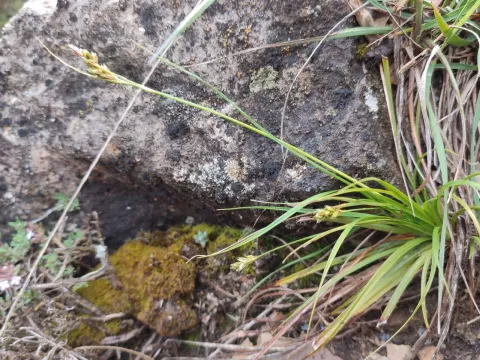
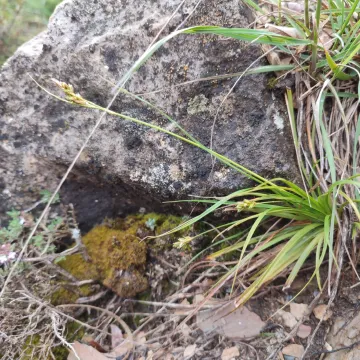
Depressed sedge (Latin: Carex depressa) is a perennial grass-like plant belonging to the Cyperaceae family. Unlike many riparian sedges, this species is specialized for growth in dry, well-drained environments, demonstrating unique physiological adaptations to stressful conditions.
The native range of Carex depressa spans across parts of Central and Southern Europe. It is typically found in habitats such as rocky slopes, limestone grasslands, and xerothermic meadows. Its ability to colonize mineral-poor soils makes it a significant species for local biodiversity in its natural range.
Botanically, the plant is characterized by its low-growing, dense tussock form. The leaves are typically narrow, rigid, and grey-green, which effectively minimizes water loss. The plant develops a resilient root system that allows it to anchor effectively in loose or stony substrates, preventing soil erosion.
Agronomic requirements for this species include well-drained soils with a preference for neutral to slightly alkaline pH. While not a conventional high-yield crop, successful establishment requires initial protection from invasive weed species until the sedge forms a stable, dominant cover in the area.
The primary economic use of the depressed sedge is in ecological restoration and soil stabilization projects, particularly on slopes where soil integrity is at risk. Furthermore, due to its drought tolerance, it is a subject of interest for breeders aiming to develop hardy groundcover varieties for sustainable urban and rural landscaping.
Photo gallery