Grey sedge
Carex divulsa
Description
Grey sedge (Carex divulsa) is a perennial herb belonging to the family Cyperaceae. Unlike many moisture-loving relatives, this species is noted for its ability to thrive in drier, well-drained soils, making it a valuable plant for sustainable landscaping and soil stabilization projects across various regions.
The native range of this species extends across Europe, North Africa, and parts of Western Asia. It typically inhabits woodlands, hedgerows, and rocky embankments. In cultivation, it has gained popularity for its low-maintenance requirements and its capacity to form dense, attractive mounds of foliage in both sunny and shaded garden locations.
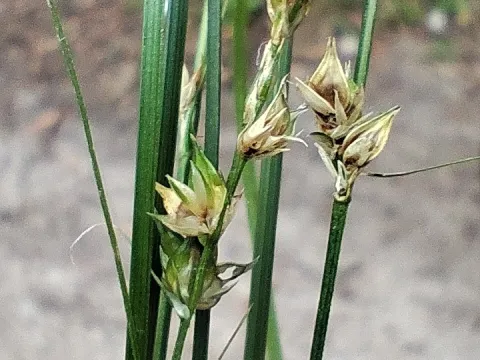
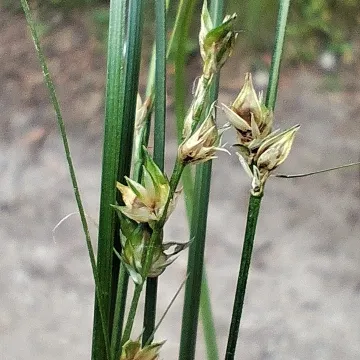
Botanically, Carex divulsa is characterized by deep green, arching leaves that grow in compact tufts. The inflorescence is unique, featuring a spaced-out, interrupted spike that gives the species its specific name. The root system is robust and fibrous, which helps the plant excel in preventing soil erosion on slopes or uneven terrain.
Regarding climate and soil, the plant is quite versatile. It prefers well-drained soils but tolerates a range of pH levels. While it adapts well to drought once established, its growth is most vigorous when it receives moderate moisture. Maintenance involves minimal effort, mainly requiring a cleanup of dead foliage in late winter or early spring to encourage new growth.
The primary use for Grey sedge is in decorative horticulture, specifically for groundcover, borders, and woodland gardens. It is particularly valued for its resistance to common pests and diseases. However, growers should ensure proper spacing to prevent overcrowding and ensure adequate airflow, which is essential for maintaining the health of the clumps.
- Excellent drought tolerance once established.
- High aesthetic value with low intervention requirements.
- Strong erosion control properties.
- Minimal susceptibility to most common horticultural diseases.
Photo gallery