Elongated sedge
Carex elongata
Description
Elongated sedge (Carex elongata) is a perennial herbaceous plant belonging to the Cyperaceae family. It is a moisture-loving species typically found in wetland habitats, wet meadows, and alongside water bodies. In agricultural management, it is often recognized as a natural component of high-moisture pastures and is valued for its ability to thrive in waterlogged soil conditions where other forage crops fail.
The plant is widely distributed across the temperate regions of Eurasia. Its natural habitat includes forests and wetlands where it favors nutrient-rich soils. Being a hydrophytic species, it is highly adapted to sites with fluctuating water tables, which makes it a resilient plant for ecological restoration and agricultural land management in low-lying areas.
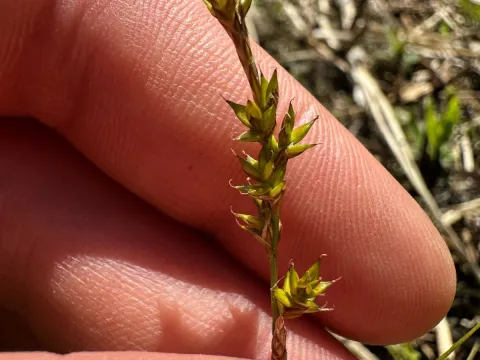
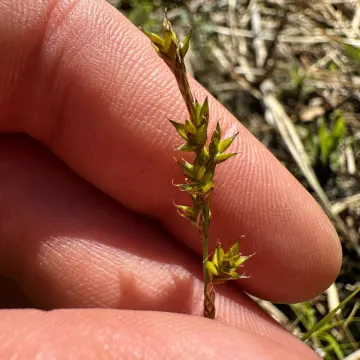
Botanically, it is characterized by its tufted growth pattern. The stems are typically 30 to 80 cm tall, topped with an elongated, distinctive inflorescence that looks like a loose spike of small, grouped flowers. The leaves are narrow, linear, and provide significant biomass production throughout the growing season, contributing to the overall forage potential of the wetland site.
Regarding agrotechnical requirements, the elongated sedge demands a consistent water supply. It does not tolerate prolonged drought, preferring moist, organic-rich, and slightly acidic or neutral soils. The species is highly winter-hardy and exhibits strong recovery rates after flooding, which is a major advantage for its use in reclaimed lands and riparian buffers.
Agricultural and environmental utility includes several key areas:
- Utilizing as a forage component in wetland-based grazing systems.
- Providing soil stabilization for banks and drainage ditch edges to prevent erosion.
- Acting as a natural filter for water purification in agricultural run-off areas.
- Supporting local biodiversity within integrated agricultural landscapes.
Common plant diseases affecting this species include various rust fungi that thrive in humid, stagnant air conditions. Pest threats typically include specific sedge-feeding insects, such as certain species of larvae and beetles that can damage the stems or flowers, though the plant is generally robust enough to withstand minor infestations without total yield loss.
Photo gallery