Festiva sedge
Carex festivella
Description
Festiva sedge (Carex festivella) is a perennial herb belonging to the Cyperaceae family. It is recognized in agronomy as a valuable component of grassland ecosystems, particularly in high-altitude and temperate regions where climate resilience is a critical factor for sustainable forage production.
The plant is native to North America, with a broad distribution ranging across mountain ranges and moist meadow habitats. Its range of cultivation is largely defined by its preference for cool, wet environments, making it a reliable species for regions with short growing seasons and significant seasonal precipitation patterns.
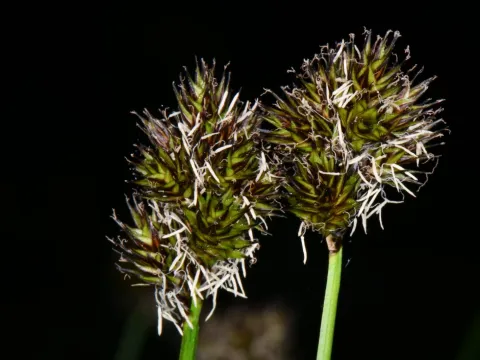
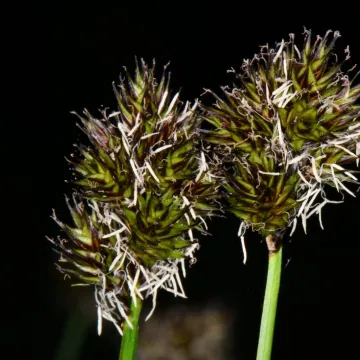
Botanically, the plant is characterized by its tufted, cespitose growth habit, producing erect stems that typically measure between 20 and 80 cm in height. Its narrow, deep green leaves form a dense basal rosette, and its inflorescence consists of small, distinct, brown-toned spikelets that emerge during the mid-summer period.
Regarding cultivation requirements, Festiva sedge thrives in moist, well-drained soils with neutral to slightly acidic pH levels. Proper site management is essential, as the species requires consistent moisture to maximize biomass yields. While it can tolerate brief periods of saturation, it is not considered an aquatic sedge and performs best in well-managed mesic meadow conditions.
Economically, the crop is primarily utilized for hay production and as a forage source for livestock in alpine meadow zones. It also plays a significant role in soil stabilization projects. Typical threats include leaf rust pathogens and various insect pests that affect stem development. Consistent monitoring of soil moisture and plant health is recommended to ensure optimal growth and pasture longevity.
Photo gallery