Carex flagellifera
Carex flagellifera
Description
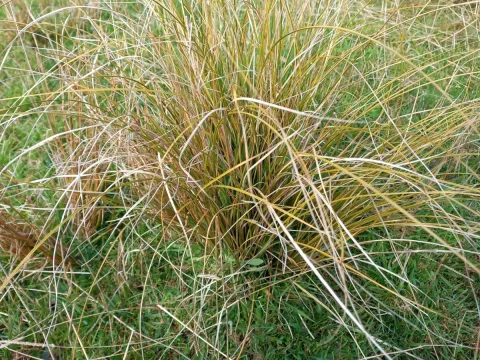
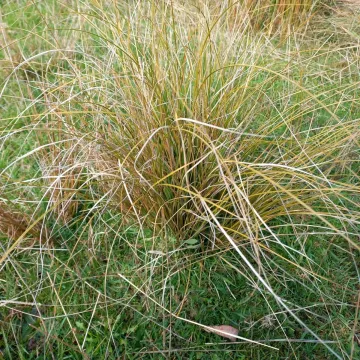
Carex flagellifera, commonly known as the leatherleaf sedge, is a perennial plant belonging to the Cyperaceae family. It is highly valued in horticulture for its distinctive fountain-like habit and its unique, coppery-brown foliage, which provides year-round visual interest. This species stands out among ornamental grasses due to its graceful, trailing appearance.
The origin of Carex flagellifera is traceable to New Zealand, where it naturally occupies diverse habitats including coastal areas and open slopes. This heritage makes the plant remarkably adaptable to various environmental conditions, allowing it to thrive in cultivated landscapes that replicate its preferred well-drained, sunny, or partially shaded environments.
Botanically, it forms dense, mounded tufts with slender, leathery leaves that can reach a height of approximately 45 to 60 cm. The foliage color varies significantly depending on light exposure, ranging from light bronze to dark reddish-brown. The plant features small, insignificant flowers that do not detract from the architectural quality of the leaves. Its fibrous root system is efficient at anchoring the plant in varied soil types.
Agricultural and horticultural requirements focus on soil drainage and site selection. Carex flagellifera prefers moist, fertile, yet well-drained soil. It is relatively drought-tolerant once established, but it performs best when protected from extreme winter waterlogging. Maintenance involves simple annual cleaning: removing damaged foliage in early spring ensures that the plant produces fresh, healthy growth for the upcoming season.
The primary uses for this plant include:
- Mass planting for ground cover in xeriscapes
- Accent plants in rock gardens and containers
- Border edging along paths and walkways
- Contrast elements in mixed perennial beds
While generally robust, the plant can be susceptible to aphids or mealybugs in overly crowded garden conditions. Fungal root rots may occur if the substrate remains waterlogged for extended periods. Proper spacing and ensuring adequate airflow are key cultural practices to prevent these common issues and maintain the health of the sedge.
Photo gallery