Humped sedge
Carex gibba
Description
Humped sedge (Carex gibba) is a perennial herbaceous plant belonging to the Cyperaceae family. In agricultural practice, this crop is valued for its remarkable ability to thrive in wetland environments and its effectiveness in soil stabilization and erosion control.
Native to East Asia, including regions in China, Japan, and Korea, this species is well-adapted to humid climates. Its natural distribution highlights its preference for moist habitats, making it a sustainable choice for land management projects in waterlogged or riparian agricultural zones.
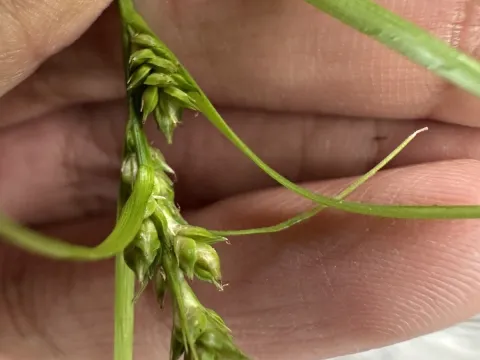
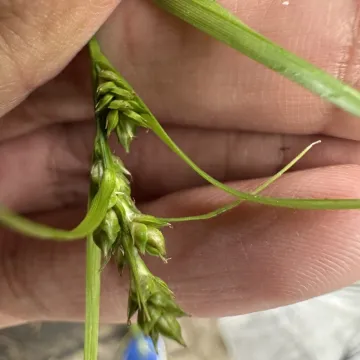
Botanically, Carex gibba is characterized by a strong, fibrous root system that produces dense tussocks. The leaves are narrow and bright green, providing excellent ground cover. The species is named for the distinctive humped appearance of its inflorescences, which distinguish it from other members of the genus Carex.
In terms of agronomy, the plant requires moist, fertile, and well-drained soils to reach its full vegetative potential. While it is highly resilient, proper land preparation and weed management during the establishment phase are essential for long-term success. It shows excellent resistance to cold and environmental stressors.
Agricultural and landscape applications for this plant include shoreline stabilization, habitat restoration, and its potential as forage in wetland pasture systems. Management should focus on preventing fungal diseases that can occur in high-humidity conditions. Common pests include aphids and specific root-feeding larvae that may affect overall plant vigor in dense stands.
Photo gallery