Griolet's sedge
Carex grioletii
Description
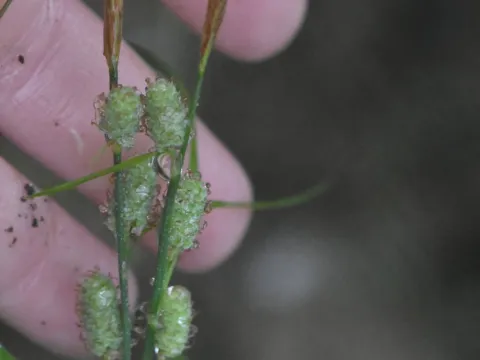
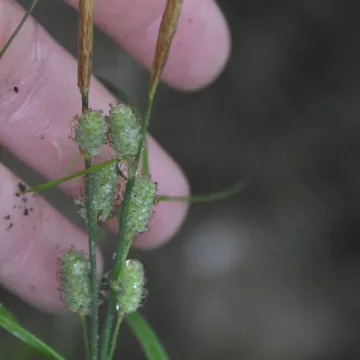
Griolet's sedge (Carex grioletii) is a perennial herbaceous plant belonging to the Cyperaceae family. Often utilized as an ornamental grass in agricultural and landscaping contexts, this species is highly valued for its structural stability and its ability to thrive in diverse environmental conditions. It serves as a vital component in ecological restoration projects and naturalistic landscape design.
Originating from the mountain and foothill regions of Europe, Griolet's sedge has evolved to withstand varied temperate climates. The plant is naturally found in moisture-rich habitats, making it an excellent candidate for planting near water features or in areas where soil moisture is relatively high. Its robust nature allows it to persist through seasonal temperature shifts, maintaining its vitality throughout the year.
Botanically, the species is distinguished by its dense, clumping habit and narrow, grass-like leaves. Its root system is exceptionally strong, characterized by extensive rhizomatous development, which aids in soil stabilization and prevents erosion. These morphological adaptations allow the plant to colonize areas effectively and serve as a long-term ground cover in challenging terrains.
Regarding agrotechnical requirements, Griolet's sedge is notably low-maintenance. It thrives best in partially shaded locations with moist, well-drained soil. Regular maintenance involves cutting back dead foliage during the early spring to promote fresh growth. While it is adaptable to various soil types, providing organic matter during the planting phase can significantly improve its vigor and overall appearance.
Its primary uses include landscape architectural projects, erosion control on slopes, and as a border plant in water gardens. The species is generally resistant to most common diseases affecting sedges. However, it is essential to monitor for potential pests such as aphids or spider mites. Proper plant spacing and good air circulation are recommended as primary measures to prevent fungal issues caused by excessive humidity.
Photo gallery