Barley sedge
Carex hordeistichos
Description
Barley sedge (lat. Carex hordeistichos) is a perennial herbaceous plant belonging to the Cyperaceae family. Within the agricultural sector, this species is recognized for its unique adaptation to wetland environments, functioning as an important component of riparian zones and periodically flooded grassland ecosystems.
The origin and range of this plant cover temperate regions of Eurasia. It is naturally adapted to moist meadows, riverbanks, and floodplains. While not a conventional industrial crop, its presence is vital for soil structure maintenance and natural water regulation in lands unsuitable for standard grain production.
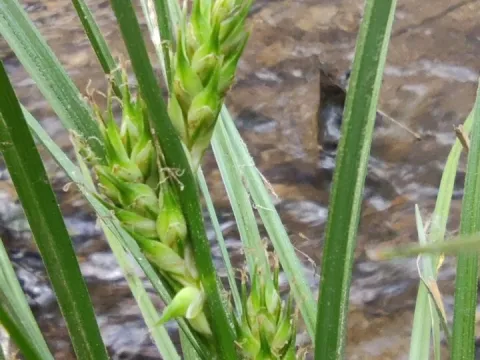
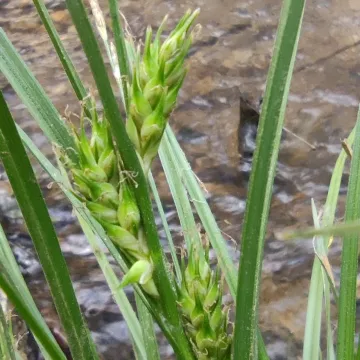
Botanically, the plant is characterized by loose tufts and distinctive inflorescences that resemble barley ears, which gave rise to its common name. The root system is robust, allowing the plant to thrive in unstable soils. The leaves are narrow and tough, offering high structural integrity, which makes the plant useful for natural soil stabilization.
Regarding climate and soil requirements, barley sedge demands consistently moist, nutrient-rich soils. It prefers heavy soils like silt or clay. In terms of agronomy, successful maintenance depends on managing the water table to ensure roots have access to moisture without complete saturation that could inhibit oxygen availability.
The primary utility of the plant includes ecosystem restoration, erosion control, and potential use as biomass for soil improvement. Common diseases include fungal rusts and smuts that affect the floral spikes during the reproductive phase. Pests are usually specific to sedge-dwelling insects that target stems; therefore, integrated management strategies focus on maintaining plant health through proper moisture regulation and seasonal clearing of debris.
Photo gallery