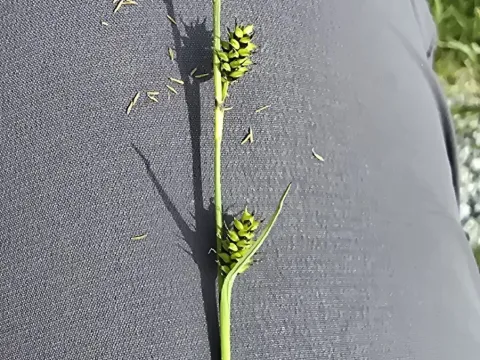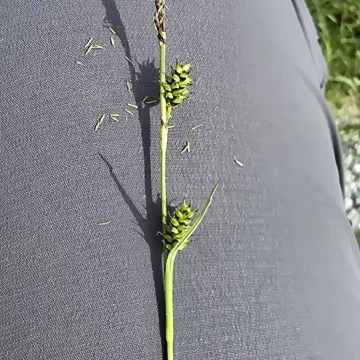
Tawny sedge
Carex hostiana
Description
Tawny sedge (Carex hostiana) is a perennial herbaceous plant belonging to the Cyperaceae family. It is recognized as a densely tufted sedge that thrives in naturally wet habitats. While not a conventional staple crop, it is of significant value in sustainable land management, phytoremediation, and the restoration of wetland ecosystems.
The native distribution of this species spans across Europe and parts of North America. It is typically found in habitats such as fens, damp meadows, and marshes where the soil remains consistently moist. The plant's ability to withstand seasonal saturation makes it a robust component of the flora in temperate regions with high moisture availability.
Botanically, Carex hostiana is characterized by narrow, dark green foliage and upright, smooth stems. It develops a vigorous fibrous root system that plays a crucial role in soil stabilization. During the summer months, it produces spikelets that facilitate seed dispersal, ensuring the plant can populate and sustain itself in challenging, waterlogged environments.
Agricultural requirements focus on maintaining an adequate hydrological balance. The plant prefers nutrient-rich, moist soils with a neutral or slightly acidic pH. When cultivated, it requires minimal intervention provided the moisture levels are consistent. It performs best in open or semi-shaded locations where water stagnation does not compromise the aeration of the root zone.
The primary agricultural uses include its role in the biodiversity of wet pastures and its utility in landscaping for water-based environments. As for its health, the plant is hardy but can be susceptible to fungal pathogens if grown in stagnant conditions with poor air circulation. Proper management of the harvest cycle helps maintain the health of the stand and prevents the development of common sedge-related pests.
Photo gallery