Slender-spike sedge
Carex ischnostachya
Description
The slender-spike sedge (Carex ischnostachya) is a perennial herbaceous plant belonging to the Cyperaceae family. In agricultural and horticultural contexts, this plant is highly valued for its robust nature and ability to form dense sod cover, effectively stabilizing soil.
The species originates from East Asian regions, thriving in temperate and subtropical climates. In its natural habitat, the sedge prefers moist forest edges, riverbanks, and shaded slopes, which directly informs its requirements for cultivation within nursery or agricultural systems.
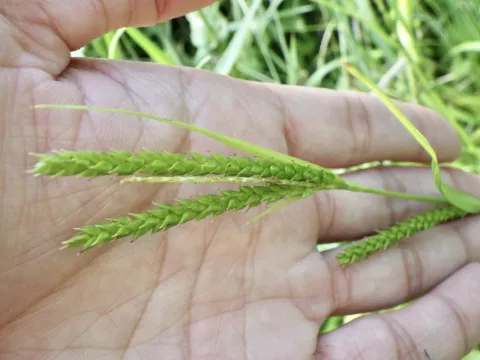
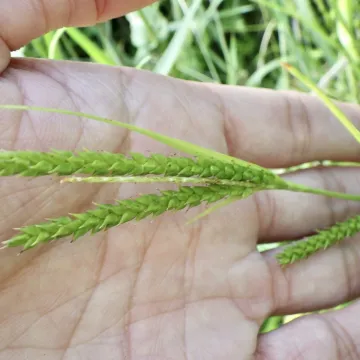
Botanically, the plant is characterized by slender, delicate spike-like inflorescences. The leaves are narrow and linear, typically featuring a vibrant green color, forming a compact basal rosette. A well-developed, fibrous root system allows the plant to anchor effectively, preventing soil erosion in vulnerable areas.
Climate requirements for this crop are moderate: it exhibits good frost resistance but performs best in environments with consistent moisture and dappled sunlight. Loamy soils with high organic matter content and a neutral to slightly acidic pH are ideal. Agronomic practices focus on periodic irrigation during dry spells and soil aeration.
Primary economic and agricultural uses include:
- Stabilization of shorelines and wet agricultural field margins.
- Application in landscape architecture for decorative ground cover.
- Use as a component in grass seed mixtures for soil reclamation.
- Limited utility as supplemental forage on specific pastures.
Common pests include certain leaf-feeding insects, while fungal diseases such as rusts and leaf spots may occur if moisture levels are too high or air circulation is poor. Effective management includes timely mowing and maintaining proper planting density to ensure plant health.
Photo gallery