Lax sedge
Carex laxa
Description
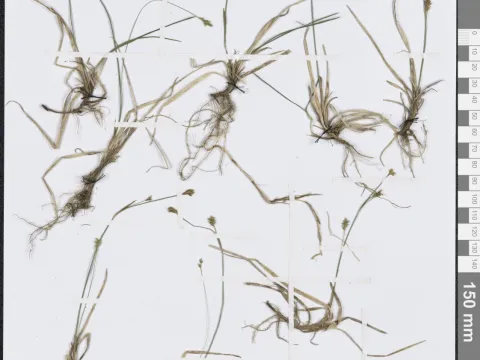
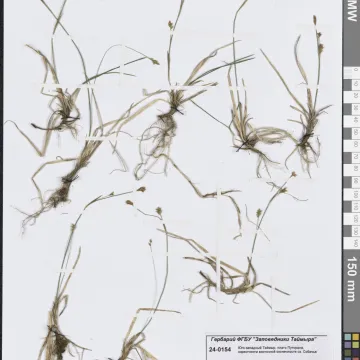
Lax sedge (Carex laxa) is a perennial herbaceous plant belonging to the Cyperaceae family. It is a highly specialized species recognized by its loose, pendulous spikelets, which differentiate it from many other denser sedge varieties. While not a conventional agricultural commodity, it serves as a critical component of biodiversity and soil stability in wetland habitats across the Northern Hemisphere.
The native range of Carex laxa includes the boreal forests and wetlands of Eurasia, extending from Northern Europe into Siberia and parts of East Asia. This plant thrives in climates characterized by cool temperatures and significant precipitation. It typically colonizes acidic, peat-rich soils, often found in transition zones between forest floors and boggy marshes where water tables remain near the surface throughout the growing season.
Botanically, this species is defined by its elongated rhizomes, allowing it to propagate vegetatively and form extensive, loose mats. Its culms are slender, usually rising between 30 and 60 centimeters, supporting narrow, linear leaves. The inflorescence is unique due to its loose structure, featuring nodding spikes that are adapted for wind pollination. This morphology is an evolutionary response to the damp, sheltered environments the sedge occupies.
Cultivation of lax sedge requires precise environmental management, primarily focusing on maintaining moisture and soil acidity. Agronomic efforts should avoid the application of standard fertilizers, which can cause faster-growing species to outcompete the sedge. Instead, management strategies often involve preserving the natural hydrology of the area and implementing controlled, occasional mowing to ensure the vigor of the plant population and prevent the accumulation of excessive dead biomass.
The primary economic use of this plant is found in ecological restoration and sustainable land management rather than traditional crop production. It is highly valued for stabilizing riverbanks and sequestering carbon in wetland soils. Regarding plant health, lax sedge can be susceptible to various fungal pathogens, particularly in stagnant, high-humidity environments, and it may also attract specific coleopteran pests that thrive in similar moist conditions.
Photo gallery