Neurocarpa sedge
Carex neurocarpa
Description
Neurocarpa sedge (Carex neurocarpa) is a perennial herbaceous plant belonging to the Cyperaceae family. In agronomic practice, it is recognized as a specialized crop adapted to high-moisture environments, serving as a critical component in managing wetlands and periodically flooded agricultural lands.
The species is native to temperate regions of Asia, with its distribution centered around floodplains, marshes, and riverbanks. Its natural range demonstrates a high capacity for environmental adaptation, allowing the plant to thrive in conditions where other common forage grasses would struggle due to oxygen deficiency in waterlogged soils.
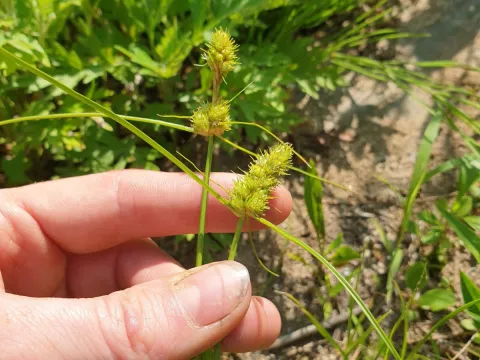
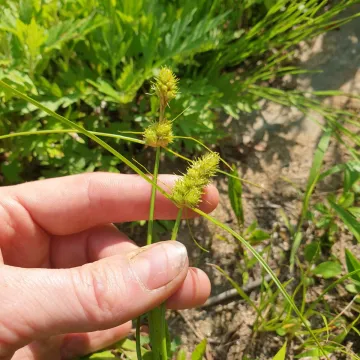
Botanically, the plant is characterized by its dense tufted growth habit and upright, triangular stems. The leaves are typically narrow and linear, adapted to withstand moisture. The defining taxonomic feature is the visible venation on the perigynia (the sac surrounding the fruit), which serves as the primary morphological marker for the species Carex neurocarpa.
Cultivation requirements focus on hydric stability. The plant prefers neutral to slightly acidic soils rich in organic matter. Agrotechnical management requires monitoring the water table to ensure consistent soil saturation. When used for forage, harvest timing is crucial; early to mid-season cutting is recommended to maintain optimal protein content and digestibility before the plant tissue becomes too fibrous.
The primary agricultural applications include forage production and land reclamation. Due to its dense root system, the sedge is highly effective in erosion control along water bodies. Typical management challenges include the prevention of fungal pathogens favored by high humidity and the control of specific insect pests. Key management strategies involve:
- Ensuring proper soil drainage levels to prevent rot.
- Implementing rotational cutting to manage biomass yield.
- Monitoring for fungal leaf spots in humid conditions.
- Protecting crop stands during the early germination phase.
Photo gallery