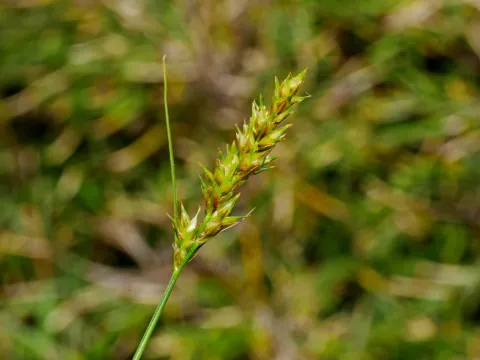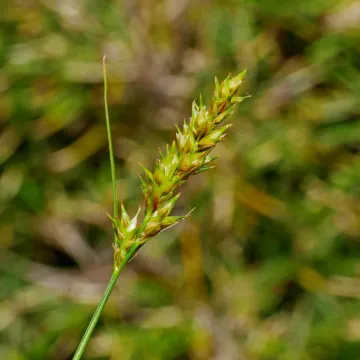
Carex nubigena
Carex nubigena
Description
Carex nubigena, commonly known as cloud sedge, is a perennial grass-like plant belonging to the Cyperaceae family. In agricultural science, this species is noted for its resilience and ability to thrive in challenging high-altitude environments where traditional forage crops may struggle to establish.
The plant originates from the mountainous regions of Asia, primarily adapted to the alpine and subalpine belts. Its distribution area is characterized by cold climates, significant moisture availability, and rugged terrain, which has resulted in the species evolving into a robust, erosion-preventing vegetation cover.
Botanically, Carex nubigena is defined by its densely tufted growth habit and slender, linear leaves that form a persistent mat. Its root system is exceptionally deep and fibrous, making it an ideal candidate for soil stabilization projects, particularly on embankments or steep agricultural plots prone to water erosion.
Cultivation requirements for this species include access to consistent moisture and moderately fertile, well-drained soil. Effective management practices include:
- Ensuring adequate spacing to prevent humidity buildup;
- Applying balanced NPK fertilizers during the early spring flush;
- Periodic grazing management to maintain vegetative vigor.
Regarding its utility, the plant serves as a vital component in livestock forage mixtures for mountainous regions, offering good nutritional value if harvested at the correct stage. Beyond agriculture, it is valued in reclamation efforts and ecological landscaping. Potential threats include rust diseases and typical grass-feeding pests, which can be mitigated by maintaining proper drainage and ensuring air circulation within the stand.
Photo gallery