Pedate-leaved sedge
Carex pediformis
Description
Pedate-leaved sedge (lat. Carex pediformis) is a perennial herbaceous plant belonging to the Cyperaceae family. In agricultural science, this species is recognized for its durability and its ability to thrive in various environmental conditions, making it a valuable subject for meadow management and pasture development.
The plant originates from the forest and steppe zones of Eurasia, spanning from Eastern Europe to Siberia and East Asia. It is typically found in well-drained habitats, including forest edges, rocky slopes, and dry meadows, demonstrating a natural resilience to fluctuating moisture levels.
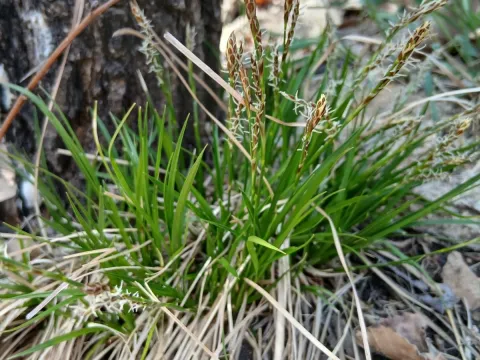
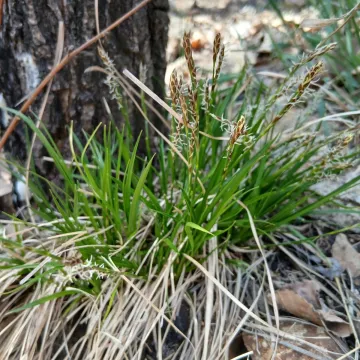
Botanically, Carex pediformis is characterized by its dense, tufted growth habit and persistent root system. The leaves are typically narrow and rigid, which minimizes water loss through transpiration. Its specific inflorescence structure is a key identification marker, distinguishing it from other species within the genus.
Cultivation requirements involve ensuring well-aerated, non-waterlogged soils. While the plant is drought-tolerant once established, it requires sufficient light for optimal development. Agronomic management focus should be on minimizing competitive weed pressure during the seedling stage, as growth during the first year is notably slow.
In agricultural practice, the species is primarily used as an early-season forage source for livestock, particularly sheep and horses. Beyond its nutritional value, it serves as an excellent biological tool for soil stabilization, protecting sloping terrain from erosion. Its presence in natural pastures contributes to the overall stability of the ecosystem.
- Excellent drought and cold resistance.
- Valuable early-season grazing potential.
- Effective for slope stabilization and erosion control.
- Low requirement for fertilizers and chemical inputs.
Photo gallery