Early sedge
Carex praecox
Description
Early sedge (Carex praecox) is a perennial herbaceous plant belonging to the Cyperaceae family. It is a rhizomatous sedge species that plays a significant role in ecological succession on dry, open lands, often serving as a key component of meadow and pasture vegetation in temperate climates.
The native range of Carex praecox spans across Eurasia, including regions in Europe, Western Siberia, and parts of Central Asia. The plant is highly adapted to temperate zones and is commonly found in dry grasslands, open forests, and along sandy roadsides, showcasing high resilience to seasonal moisture fluctuations.
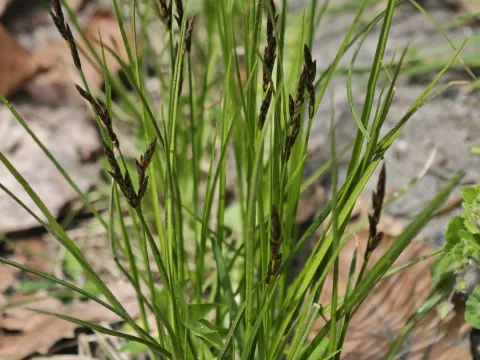
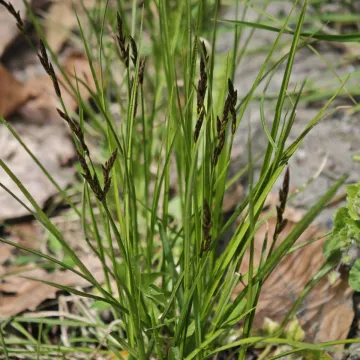
Botanically, this species is characterized by its creeping rhizomes and narrow, rough-edged leaves. Its ability to start vegetative growth early in the spring is its primary competitive advantage, allowing it to occupy niche spaces before most typical fodder grasses begin their peak growth phase.
Regarding agronomic requirements, the species thrives in well-drained, sandy, or light loam soils with a neutral pH. It exhibits excellent drought tolerance but performs poorly in waterlogged conditions. Successful management in an agricultural setting usually requires controlling its spread in areas where high-quality forage production is the primary goal.
The plant is mainly utilized for soil stabilization and erosion control on embankments or marginal lands. While it provides ground cover, it is generally considered of low nutritional value for livestock. Common plant health issues include fungal diseases like rust and ergot, which can affect the seed heads and foliage during periods of high humidity.
Photo gallery