Loose-flowered alpine sedge
Carex rariflora
Description
The loose-flowered alpine sedge (Carex rariflora) is a perennial herbaceous plant belonging to the Cyperaceae family. It is a highly specialized species perfectly adapted to the harsh conditions of the arctic and subarctic climate zones.
The distribution of this species is circumpolar, meaning it is found throughout the northernmost parts of Europe, Asia, and North America. It typically grows in moist tundra environments, including wet meadows, bogs, and the margins of ponds, where moisture is abundant and the growing season is significantly limited.
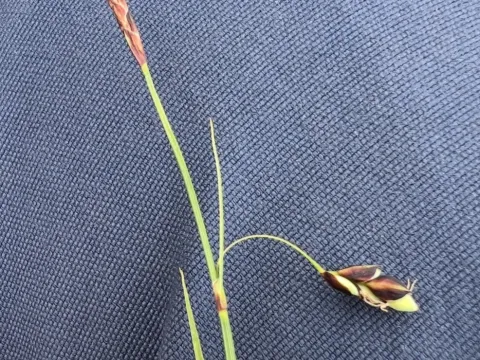
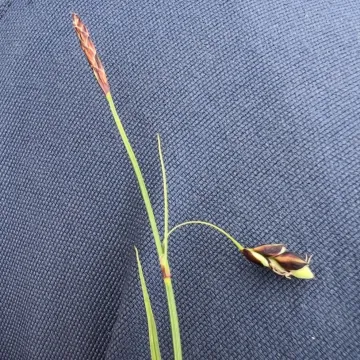
Botanically, this sedge is distinguished by its creeping rhizomes that form loose mats. The culms typically grow between 10 to 30 centimeters in height, featuring a distinct inflorescence with a terminal male spike and several nodding female spikes. This structural arrangement helps the plant optimize pollination in windy arctic conditions.
Regarding soil and climatic requirements, Carex rariflora thrives in acidic, nutrient-poor, and highly waterlogged organic soils. Because it is not a traditional agricultural crop, specific agronomic practices are not standard. However, it is an essential component of the vegetation that maintains soil structure in delicate permafrost regions.
The economic use of this sedge is primarily restricted to its role as a forage resource for semi-domesticated reindeer herds in northern regions. While it is generally resilient against pests due to its extreme environment, it remains susceptible to specific moisture-loving fungi. It serves primarily an ecological function rather than a commercial one.
Photo gallery