Evergreen sedge
Carex sempervirens
Description
Evergreen sedge (Carex sempervirens) is a perennial herbaceous plant belonging to the Cyperaceae family. Unlike many deciduous species, this plant is highly valued for its persistent dark green foliage, which maintains its color throughout the year, making it a staple in ornamental horticulture and sustainable landscaping projects.
The plant originates from the mountainous regions of Central and Southern Europe, specifically flourishing in the Alps and the Pyrenees. Due to its alpine heritage, Carex sempervirens is exceptionally hardy and capable of thriving in harsh, exposed environments, which has contributed to its popularity as a low-maintenance agricultural and landscape crop.
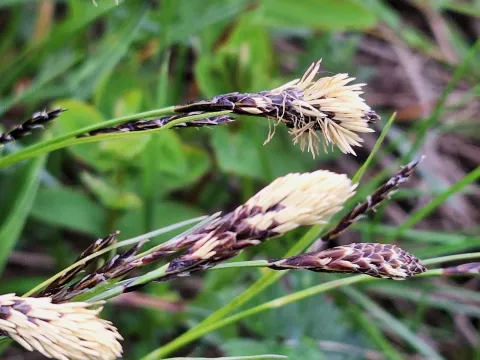
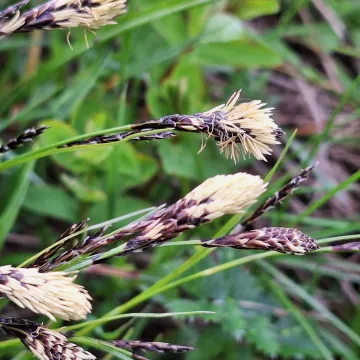
Botanically, this species is characterized by its dense, tufted growth habit. The leaves are narrow, stiff, and arching, forming neat clumps that typically grow 20 to 40 cm tall. During the late spring and early summer, the plant produces attractive, dark purple-brown spikelets on slender stems, which provide a delicate contrast to the vibrant green foliage.
Cultivation requirements for this species are relatively straightforward. It prefers well-drained, neutral to alkaline soils and performs best in full sun or light shade. The plant is noted for its drought tolerance once established. Standard agronomic maintenance includes removing dead foliage in the early spring and ensuring adequate drainage to prevent waterlogging, which is the primary cause of potential health issues.
In terms of хозяйственное usage, it is primarily employed as a decorative element in rock gardens, borders, and as an effective ground cover for slope stabilization. It is generally resistant to most pests and diseases. However, in poorly drained or overly humid conditions, growers should monitor for fungal pathogens that may affect the root system, though such cases are rare with proper site preparation.
Photo gallery