Social sedge
Carex socialis
Description
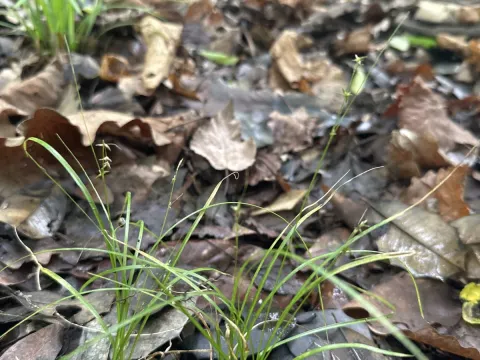
Social sedge (Carex socialis) is a perennial grass-like plant belonging to the Cyperaceae family. It is a distinctive species known for its clumping habit and adaptability to various moist soil conditions, making it an excellent candidate for both naturalizing areas and managed garden landscapes.
The species is native to North America, primarily found in the central and eastern regions. Its natural habitat includes moist forests, floodplains, and damp lowland areas. Because of its native origins, it is highly valued by gardeners and restoration ecologists looking for reliable, native groundcovers that thrive in shaded or partially shaded environments.
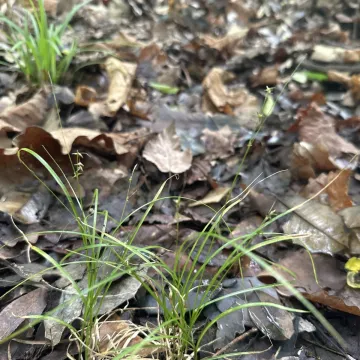
Botanically, Carex socialis is characterized by its slender, deep green foliage that forms dense, attractive tufts. Unlike some aggressive creeping sedges, this species remains relatively contained, forming neat clumps. Its inflorescences, appearing in late spring, are typical of the genus, presenting a delicate and textured look that complements other woodland perennials.
Regarding cultivation, this sedge thrives in rich, moisture-retentive soils with an acidic to neutral pH. While it is quite hardy, it performs best when provided with consistent moisture. Unlike prairie grasses, it prefers protection from the harsh afternoon sun, making it ideal for shaded garden beds, rain gardens, or areas under a canopy of trees where soil moisture is sufficient.
In landscape practice, social sedge is used primarily as a low-maintenance groundcover or an accent plant in woodland-style gardens. It is resistant to most common garden pests, though environmental stress like prolonged drought can lead to leaf browning. Maintenance is straightforward, consisting mainly of cutting back dead foliage in early spring to encourage fresh, healthy growth for the upcoming season.
Photo gallery